
Brief Introduction:
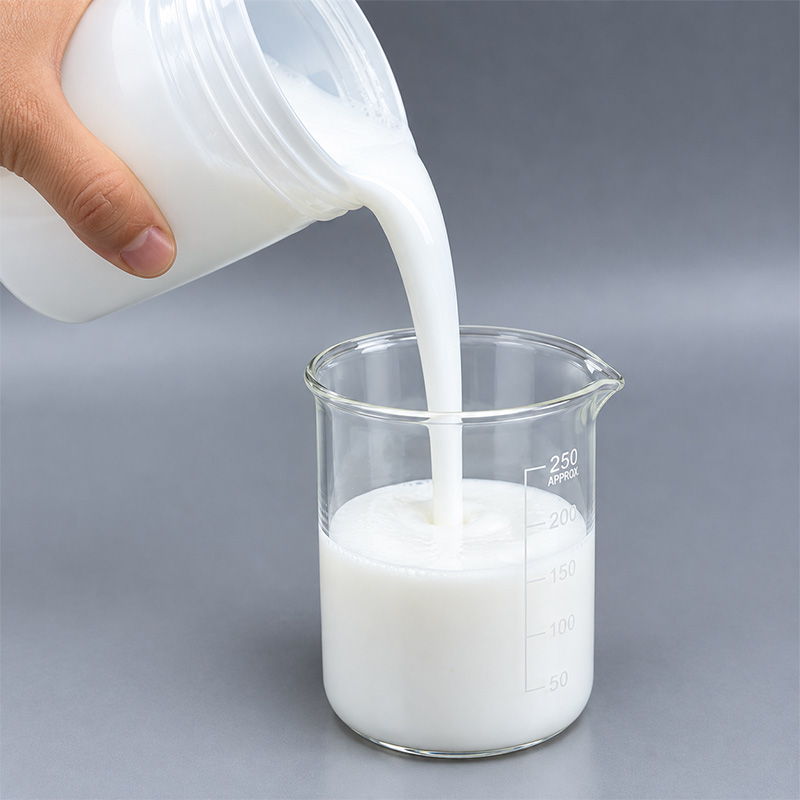
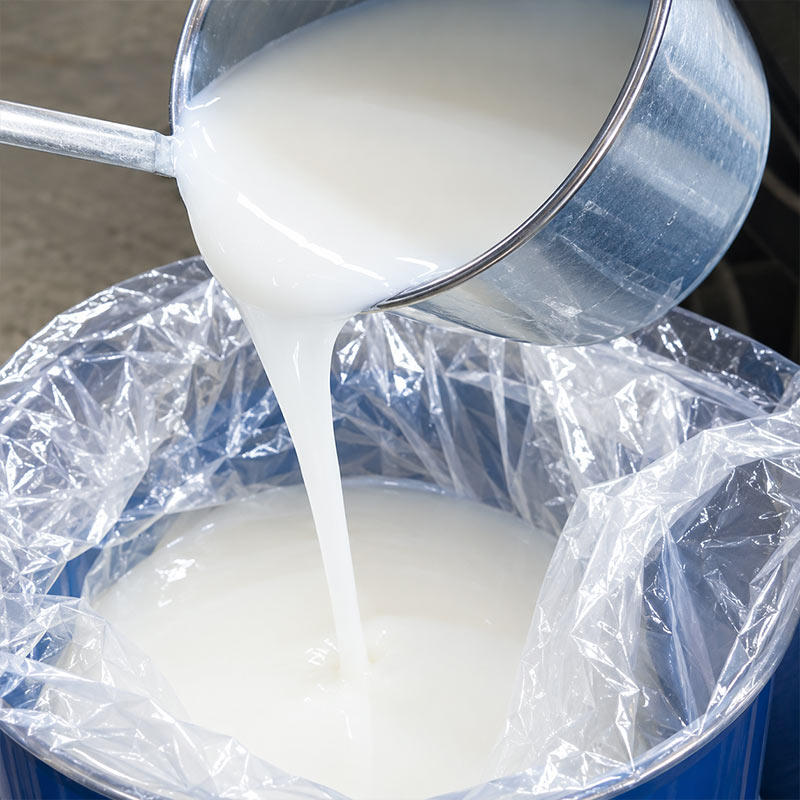
Styrene-Acrylic Emulsion, also known as styrene-acrylate copolymer dispersion, is a milky-white aqueous dispersion synthesized through the emulsion copolymerization of styrene and acrylate monomers. As a fundamental chemical raw material, its core values include relatively low cost, excellent film-forming properties, strong adhesion, and outstanding water and alkali resistance, making it a widely used key component in architectural coatings and various adhesives.
Specification
| Item | Index |
|---|---|
| Appearance | Milky white translucent liquid |
| Solid Content, % | 47 ± 1 |
| pH Value | 7–9 |
| Viscosity, mPa·s | 1000–3000 |
| Glass Transition Temperature, °C | 25 |
| Minimum Film-Forming Temperature, °C | 23 |
| Calcium Ion Stability | Passed |
Features
-
Cost-Effective Performance: Offers a superior balance of performance and economy, positioning it as the dominant choice for mid-to-high-end general-purpose coatings compared to pure acrylic or vinyl acetate emulsions.
-
Excellent Film-Forming & Adhesion: Provides strong adhesion to cement-based substrates with superior scrub resistance and film compactness.
-
Outstanding Durability: Exhibits exceptional water resistance and alkali resistance, protecting exterior surfaces against weathering.
-
Stable Emulsion Properties: Features reliable polymerization stability and broad formulation applicability for various waterborne systems.
Applications
-
Architectural Coatings: Serves as the primary film-forming binder widely used in interior and exterior wall latex paints, stone-like paints (true stone paint), and textured coatings.
-
Exterior & Interior Wall Paints: In exterior coatings, it forms a continuous protective film to withstand wind, sun, and rain; in interior coatings, it provides essential hiding power and scrub resistance.
-
Adhesives & Binders: Utilized as a high-performance adhesive component in various construction and industrial bonding applications.
Package and Storage
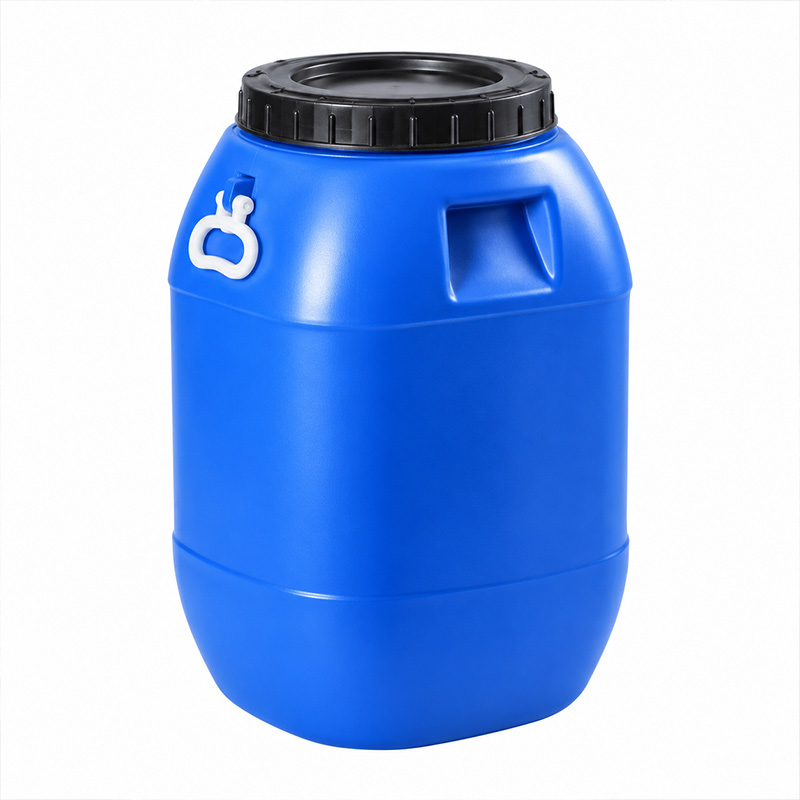
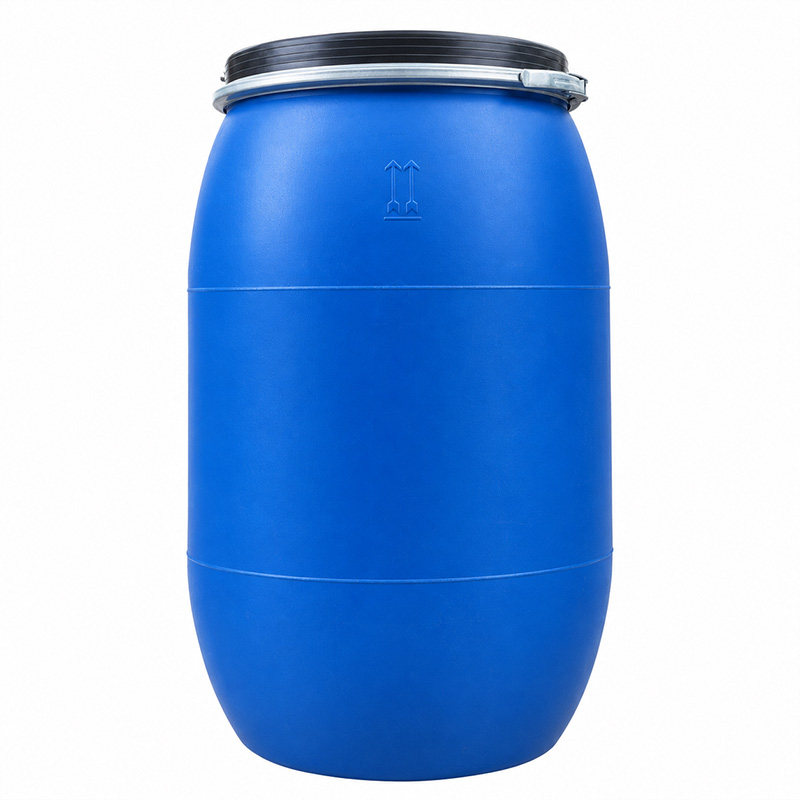
Styrene-Acrylic Emulsion is available in two packaging options: 50 kg per drum and 200 kg per drum. The 50 kg drum option is typically preferred as it allows for optimized loading efficiency in 20-foot containers (20’GP).
It should be stored in a cool, dry, and well-ventilated place, protected from direct sunlight and freezing temperatures (recommended storage temperature: 5°C–35°C). Keep drums tightly closed when not in use.
Technical Support for Industrial Chemicals
Need technical documents, pricing, or shipping information? Tell us the product grade, application, required quantity, and destination port for a prompt quotation.
Request a Quote