Iron Oxide Pigment


Iron Oxide Pigment
Engineered for superior weather resistance and high tinting strength, our Iron Oxide Red pigments are widely trusted across global industrial sectors:
-
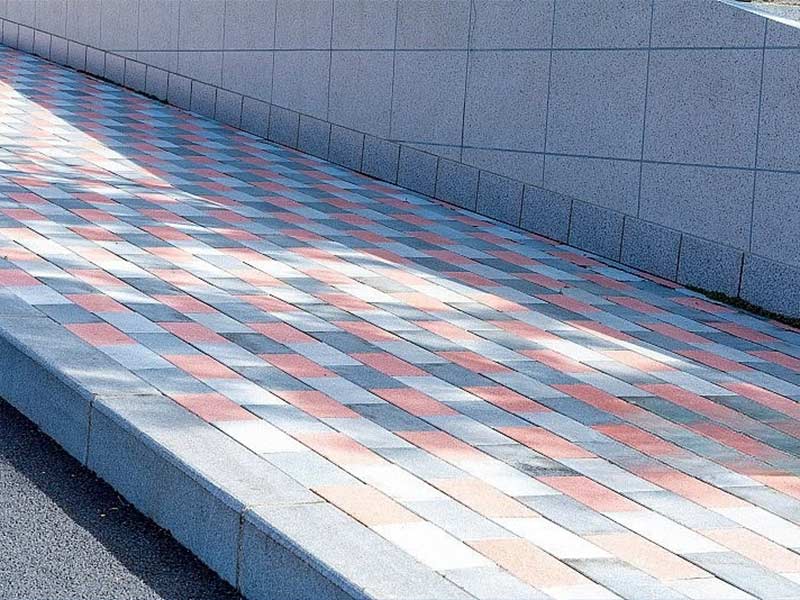
Building Materials & Construction: Ideal for colored concrete bricks, interlocking pavers, roof tiles, terrazzo, artificial marble, masonry mortars, and colored asphalt, ensuring long-lasting vibrancy outdoors.
-
Coatings, Paints & Anti-Rust Primers: Excellent for water-based wall coatings, powder coatings, and oil-based paints (epoxy, alkyd, amino). Cost-Saving Advantage: Our iron oxide red primers offer superior anti-rust performance as an economical alternative to high-priced red lead paint, saving non-ferrous resources.
-
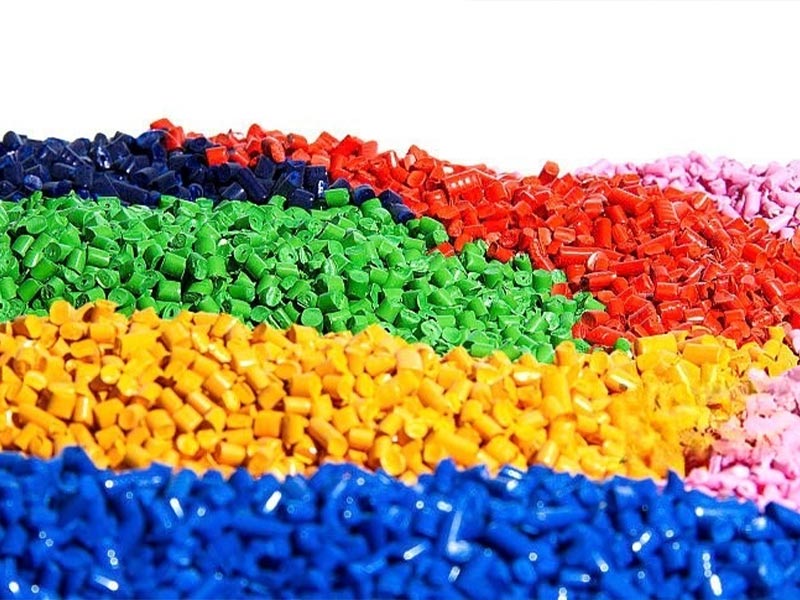
Plastics & Rubber: Delivers stable, uniform coloration for thermoplastics, thermosetting plastics, and rubber products including automotive, aircraft, and bicycle inner tubes.
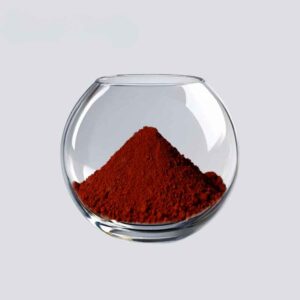
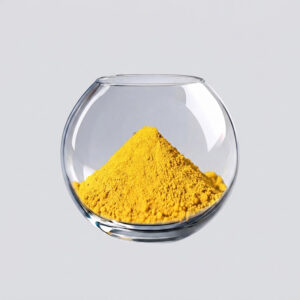
Iron Oxide Pigment Selection Guide
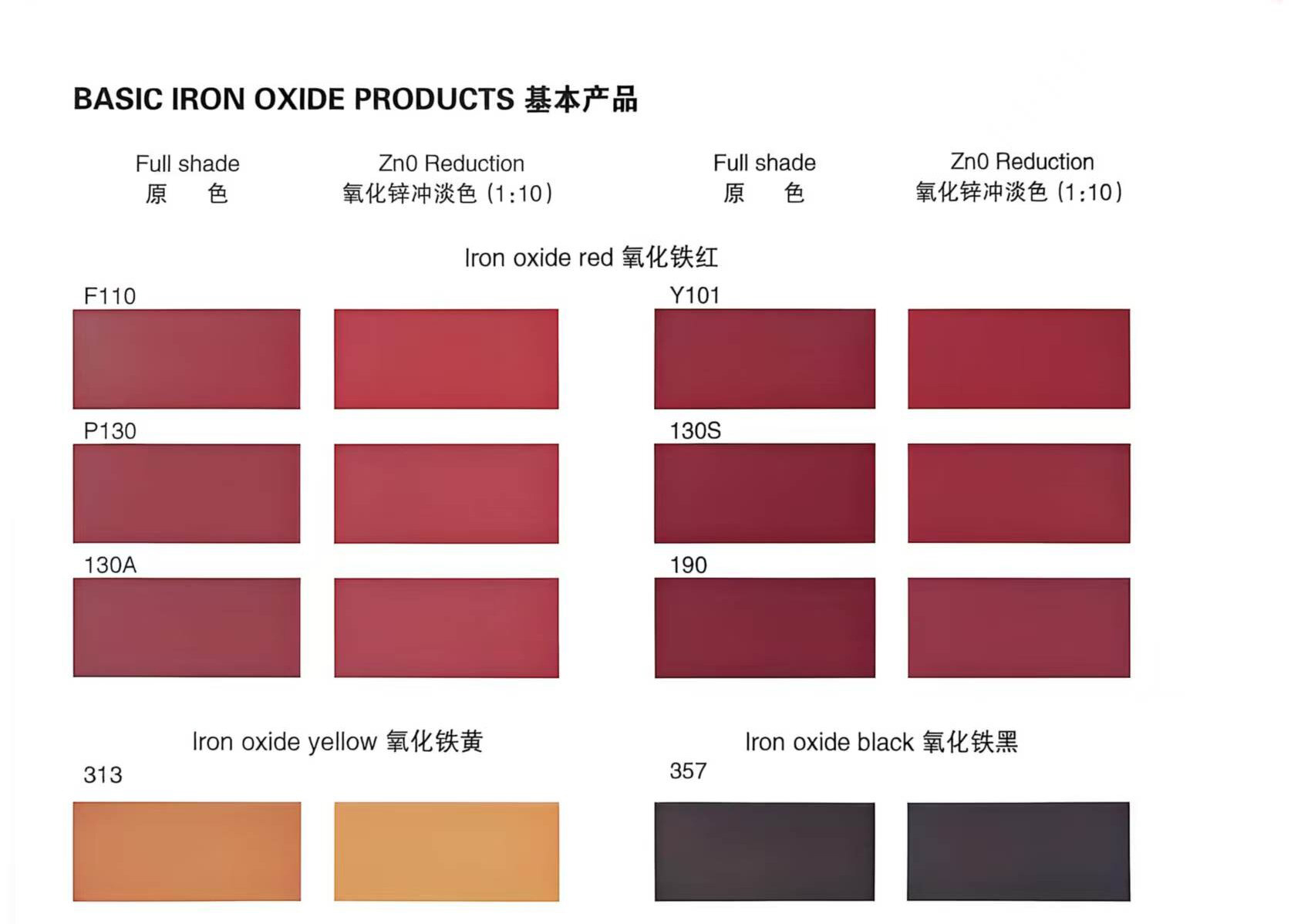
The color spectrum and tinting characteristics of our basic iron oxide grades are evaluated using a standardized castor oil dispersion method. Pigments are ground in refined castor oil at a strict 1:4 weight ratio to ensure optimal wetting and dispersion.
- Full Shade : Represents the pure mass-tone of the pigment milled directly in the 1:4 castor-oil vehicle, demonstrating deep hiding power and inherent hue.
- ZnO Reduction Shade ( 1:10): Formulated by blending the iron oxide pigment with pure zinc oxide powder at a **1:10 weight ratio**, followed by dispersion and milling in the same proportional castor-oil vehicle. This reduction test highlights the tinting strength, undertone purity, and scattering performance of each grade.
Key Technical Parameters & Selection Guide
To assist procurement managers, formulators, and technical engineers in making the right choice, we have highlighted the most critical physical and chemical parameters from our data sheet:
① Fe2O3 Content (≥ 96%)
What it means: The chemical purity and concentration of iron(III) oxide. All our standard iron oxide red grades (F110, Y101, P130, 130S, 130A, 190) maintain a high purity of 96% or higher.
Selection tip: High Fe2O3 content translates directly to superior tinting strength, cleaner hues, and batch-to-batch consistency. It is ideal for high-end architectural coatings, automotive primers, and engineering plastics where performance is critical.
② Oil Absorption (15 ∼ 25 g/100g)
What it means: The amount of oil (or vehicle) required to wet a given weight of pigment. Our red pigment portfolio is tightly controlled within a low range of 15 to 25 g/100g.
Selection tip: Low oil absorption allows for higher pigment loading in paints, inks, and masterbatches without causing excessive viscosity buildup. This ensures excellent leveling, smooth application, and reduced binder demand.
③ Residue on 325 Mesh (≤ 0.3%)
What it means: The percentage of coarse particles failing to pass through a 325-mesh sieve.
Selection tip: A strict threshold of ≤ 0.3% ensures ultra-fine particle distribution. For spray applications, thin-film coatings, and fine plastic extrusions, low residue prevents nozzle clogging, surface pinholes, and coarse speckling.
④ Tinting Strength (95% ∼ 105% compared with standard)
What it means: The relative coloring power of the pigment measured against an agreed industry standard (100%).
Selection tip: Maintaining a tight variance range (95% ∼ 105%) guarantees reliable color matching across different production batches. This is vital for manufacturers producing colored concrete, asphalt, industrial coatings, and building materials who require strict color uniformity.
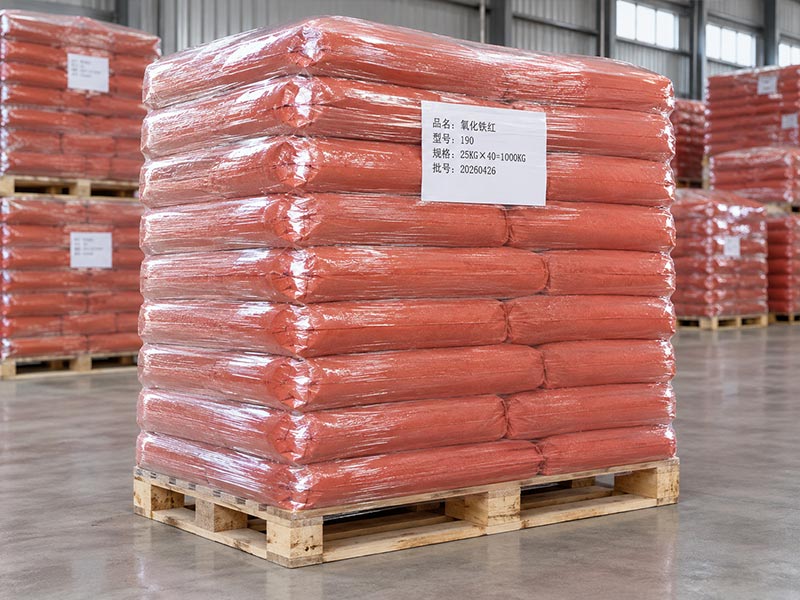
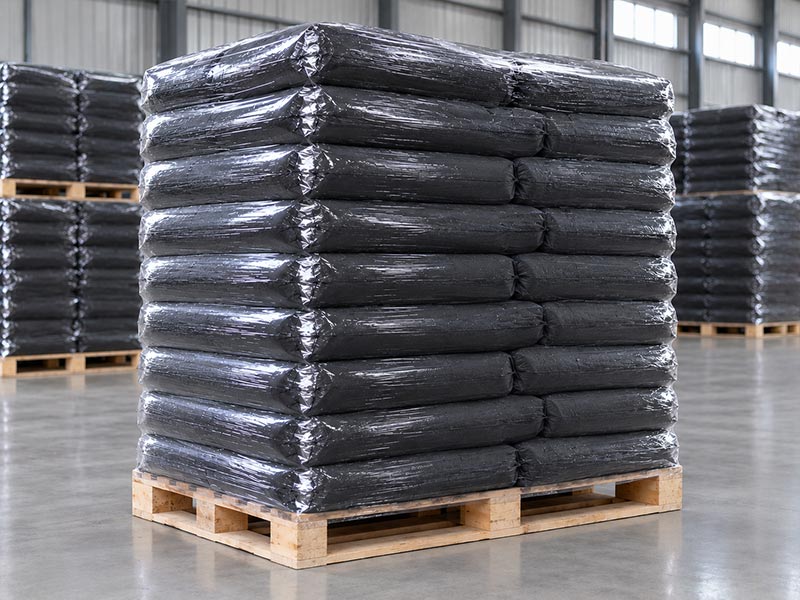
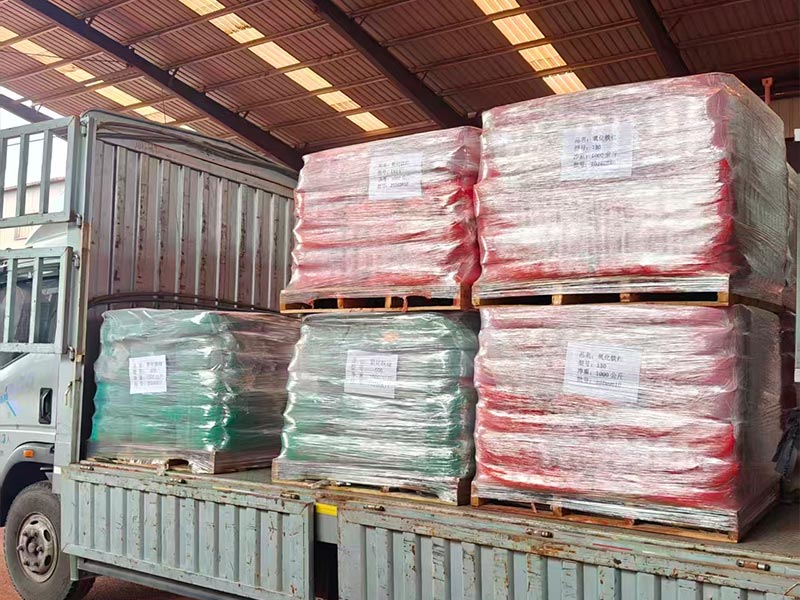
Technical Support for Industrial Chemicals
Need technical documents, pricing, or shipping information? Tell us the product grade, application, required quantity, and destination port for a prompt quotation.
Request a Quote