Поиск поставщиков китайского диоксида титана: подробное руководство по хлоридным и сульфатным процессам и высококачественным сортам.
 Джо•
Джо•
Яркость в синей фазе или экономичная непрозрачность? Выбор подходящего китайского диоксида титана полностью зависит от производственного процесса. Мы анализируем разницу в производительности между хлоридными и сульфатными технологиями и перечисляем лучшие китайские марки, которые соответствуют мировым стандартам. Незаменимое чтение для руководителей отделов закупок и исследований и разработок, стремящихся оптимизировать свою цепочку поставок.
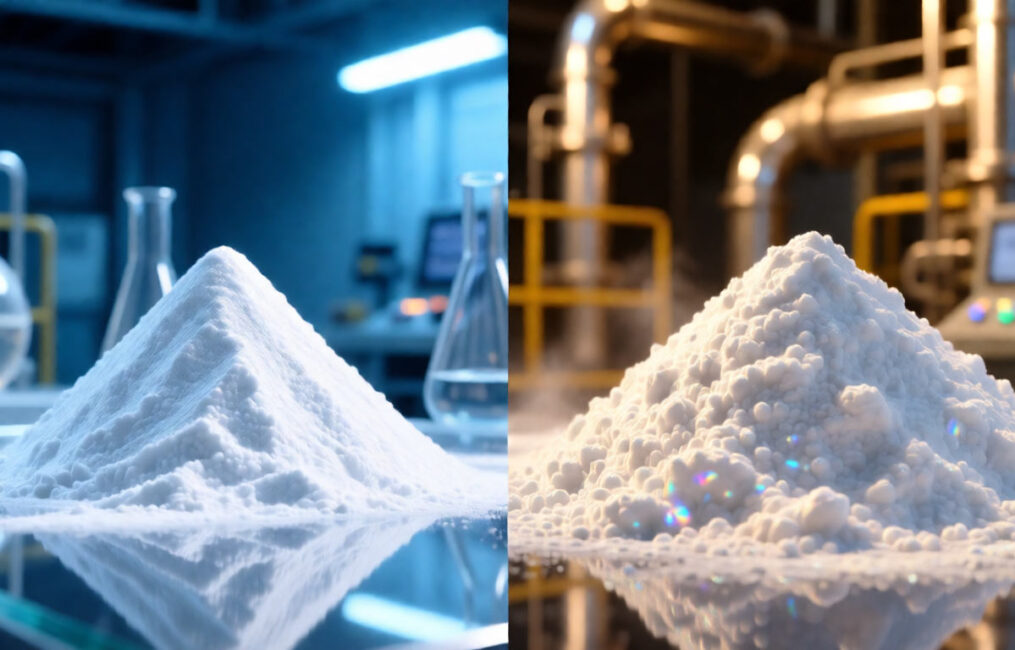
Китайская индустрия диоксида титана (TiO2) в настоящее время переживает масштабные изменения, смещая акцент с “количества” на “качество”. Для менеджеров по международным закупкам и химиков-исследователей ориентироваться в многообразии китайских брендов может быть непросто.
Выбор подходящего сорта полностью зависит от производственного процесса.Хлористый или Сульфат—и требуемая отделка. В этом руководстве подробно описаны характеристики, области применения и лучшие сорта от ведущих китайских производителей.
1. Хлоридный процесс: Высококачественный “синий” стандарт.
Эталон производительности
Хлоридный процесс — это передовой стандарт в отрасли (впервые разработанный такими компаниями, как Chemours). В Китае..., LB Group (Lomon Billions) является абсолютным лидером в этой области, в то время как другие игроки, такие как CITIC Titanium и Pangang Vanadium Titanium, наращивают свои производственные мощности.
Основные характеристики:
- Белизна и оттенок кожи: Создает отчетливый синий оттенок. Благодаря этому готовые изделия выглядят чище, ярче и визуально “белее” по сравнению с изделиями, обработанными сульфатами.
- Чистота: В процессе дистилляции удаляются тяжелые металлы (например, железо), что приводит к исключительно низкому уровню примесей.
- Дисперсия: Очень узкое распределение частиц по размерам означает, что он легко диспергируется в смолах, что требует меньше энергии для измельчения.
- Устойчивость к погодным условиям: Как правило, превосходит сульфатные марки, что делает его идеальным для длительного использования на открытом воздухе.
Идеальные области применения:
- Покрытия для автомобилей OEM-производителей и для покраски.
- Высококачественные архитектурные краски для наружных работ.
- Высококачественные пластмассы (ПВХ-профили, бытовая техника), где пожелтение недопустимо.
- Высококачественные печатные краски.
Главные китайские рейтинги, за которыми стоит следить:
- Группа LB:
- BLR-895: Флагманский класс покрытий, разработанный для конкуренции с международными стандартами (такими как R-902+), обеспечивающий превосходную укрывистость и устойчивость к атмосферным воздействиям.
- БЛР-886: Специализированный материал для пластмасс с ярко выраженным синим оттенком и превосходной текучестью расплава.
- BLR-896: Сверхпрочный класс покрытий для промышленного применения, работающих в агрессивных средах.
- CITIC Titanium (ранее Jinzhou):
- CR-510: Высокий блеск и устойчивость к атмосферным воздействиям для покрытий и чернил.
- Панганг Ванадий Титан:
- CR-350: Специализируется на производстве пластмасс с превосходными свойствами, предотвращающими пожелтение.
2. Сульфатный процесс (рутил): основной рыночный продукт
Баланс производительности и стоимости
Это наиболее зрелая технология в Китае. Хотя сам процесс и устарел, передовые технологии обработки поверхности (нанесения покрытий) позволяют этим маркам во многих областях применения по своим характеристикам очень приближаться к хлоридным маркам.
Основные характеристики:
- Экономическая эффективность: Как правило, $150–$450/тонна дешевле, чем хлоридные марки.
- Скрываемость: Кристаллическая структура рутила обладает высоким показателем преломления, обеспечивая превосходное покрытие.
- Универсальность: Производители используют различные неорганические (цирконий, алюминий, кремний) и органические методы обработки для создания сотен специализированных марок стали.
- Подтекст: Немного желтее, чем хлоридные марки (часто незаметен невооруженным глазом, но измерим приборами).
Идеальные области применения:
- Архитектурные краски для внутренних и наружных работ (используемые такими крупными производителями, как Nippon Paint/Dulux).
- Промышленные антикоррозионные краски.
- Мастербатчи, трубки и профили.
- Декоративная бумажная ламинация.
Главные китайские рейтинги, за которыми стоит следить:
- Группа LB:
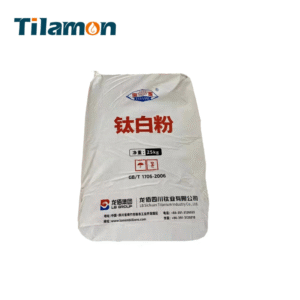
- Р-996: “Отраслевой стандарт”.” Это наиболее распространенный сорт в Китае. Он является универсальным материалом как для покрытий, так и для пластмасс.
- Группа Дунцзя:
- SR-2377: Высокоэффективный материал для покрытий и цветных паст, известный низким маслопоглощением и высоким блеском.
- CNNC Хуа Юань:
- Р-219: Отлично подходит для покрытий на водной основе с высокой степенью дисперсии.
- Р-215: Универсальный сорт пластмасс и покрытий.
- Голубая звезда (Цзинань Юсин):
- Р-818: Широко признанный универсальный сорт.
3. Сульфатный процесс (анатаз): экономически выгодный выход на рынок.
Для использования внутри помещений и в специальных целях.
В сульфатном процессе, если температура прокаливания поддерживается на более низком уровне и не происходит превращения кристаллов, результатом является анатаз TiO2.
Основные характеристики:
- Белизна: Часто бывает белее рутила из-за своей кристаллической структуры.
- Мягкость: Более низкая твердость приводит к меньшему износу производственного оборудования.
- “Роковой недостаток” (устойчивость к непогоде): Он обладает высокой фотоактивностью. При использовании на открытом воздухе ультрафиолетовое излучение быстро вызовет его образование мела (порошка). Предназначено исключительно для использования в помещении.
- Низкая маскирующая способность: Для более низкого показателя преломления требуется больший объем загрузки, чтобы покрыть фоновый цвет.
Идеальные области применения:
- Производство бумаги.
- Внутренние отделочные материалы для стен (эконом-класса).
- Обесцвечивание волокон (уменьшение блеска синтетических тканей).
- Керамика и эмаль.
Общие оценки:
Обычно бренды обозначают их символом ‘А’. Различия между брендами менее выражены, чем в случае с рутилом.
- Группа LB: A-101 / MCA120
- CNNC: А-100
- Нанкинский Титан: NA-100
Подробный технический анализ: Почему не существует термина “хлорид-анатаз”?
Вы можете заметить закономерность: марки хлорида следующие всегда Рутил. Зачем?
В конечном итоге все сводится к Термодинамика и Экономика.
- Температура определяет структуру: Суть хлоридного процесса заключается в окислении тетрахлорида титана (TiCl4) при чрезвычайно высоких температурах.1200℃ – 1500℃При такой температуре метастабильная структура анатаза не может существовать; она спонтанно перестраивается в термодинамически стабильную структуру. Рутил структура.
- Преимущества сульфатов: Сульфатный процесс завершается стадией прокаливания при более низких температурах (800-900℃). Это позволяет производителям “выбирать” форму кристаллов, регулируя температуру и добавляя затравку.
- Экономический парадокс: Хлоридный процесс — дорогостоящий и технически сложный процесс. Анатаз — экономически выгодный продукт. Даже если бы удалось заставить хлоридный процесс производить анатаз (путем снижения температуры, что снижает эффективность), использование самого дорогого в мире процесса для производства самого дешевого товарного продукта не имело бы экономического смысла.
Заключение
Для достижения “синей” белизны и высочайшей износостойкости в автомобильной промышленности или производстве высококачественных пластмасс, Хлорид (серия LB Group BLR) Это оптимальный выбор. Для подавляющего большинства архитектурных и промышленных применений, где необходимо найти баланс между стоимостью и производительностью, Сульфат рутила (например, R-996) Это по-прежнему разумный выбор.
Вы сейчас закупаете диоксид титана в Китае? Какие марки оказались наиболее эффективными для ваших задач? Давайте обсудим это в комментариях.
Technical Support for Industrial Chemicals
Need technical documents, pricing, or shipping information? Tell us the product grade, application, required quantity, and destination port for a prompt quotation.
Запросить расценки