
Comprensión del análisis de la celulosa polianiónica (PAC-LV) en fluidos de perforación
 José•
José•
Optimice la reología del fluido de perforación con celulosa polianiónica (PAC-LV) compatible con API-13A. Alta tolerancia a la sal y control de la pérdida de fluido. Consulte las especificaciones técnicas y compre ahora.
En el entorno de alto riesgo de la perforación en alta mar y en pozos profundos, la integridad química de los fluidos de perforación es la principal defensa contra fallas geológicas. Celulosa polianiónica (PAC), En concreto, el grado de baja viscosidad (LV) actúa como un modificador reológico fundamental y un agente de control de la filtración.
Cumplimiento con la API-13A (Instituto Americano del Petróleo) Esta norma no es simplemente un obstáculo regulatorio; es un referente de ingeniería molecular que garantiza la estabilidad del pozo bajo condiciones extremas de salinidad y estrés térmico.
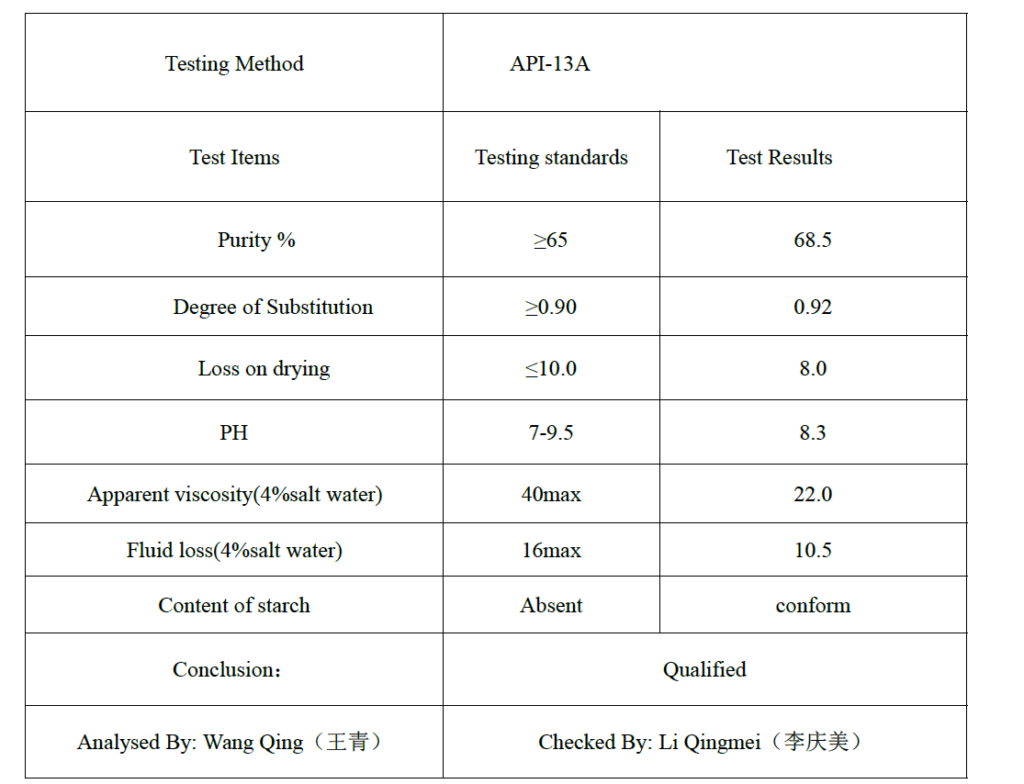
Análisis de especificaciones técnicas: El estándar API-13A
La siguiente tabla sintetiza los indicadores clave de calidad (ICC) basados en los requisitos estándar de la API-13A y en los resultados típicos de laboratorios de alto rendimiento.
| Elemento de prueba | Estándar API-13A | Resultado de la prueba | Importancia industrial |
|---|---|---|---|
| Pureza (%) | ≥65,0 | 68.5 | Concentración de polímero activo; influye directamente en la rentabilidad de la compra a granel. |
| Grado de Sustitución (GS) | ≥0,90 | 0.92 | Un mayor grado de sustitución (DS) garantiza una tolerancia superior a la sal y una estabilidad molecular óptima en fluidos de perforación agresivos. |
| Pérdida por secado (%) | ≤10.0 | 8 | Controla el contenido de humedad para evitar que el producto se apelmace y se degrade por microorganismos durante el transporte. |
| Valor de pH | 7.0 – 9.5 | 8.3 | Mantiene un entorno no corrosivo para las herramientas de perforación y optimiza la durabilidad del polímero. |
| Viscosidad aparente (sal 4%) | 40 máximo | 22 | Confirma el grado de "Baja Viscosidad" (LV), lo que garantiza una resistencia mínima al flujo de lodo. |
| Pérdida de líquidos (sal 4%) | 16 máximo | 10.5 | Factor de "protección" crucial que impide la migración del agua hacia los estratos geológicos. |
| Contenido de almidón | Ausente | Ajustarse | Garantiza resistencia al adelgazamiento por altas temperaturas y a la fermentación. |
La química del rendimiento: un análisis profundo de los indicadores
A. Grado de sustitución (GS) y tolerancia a la sal
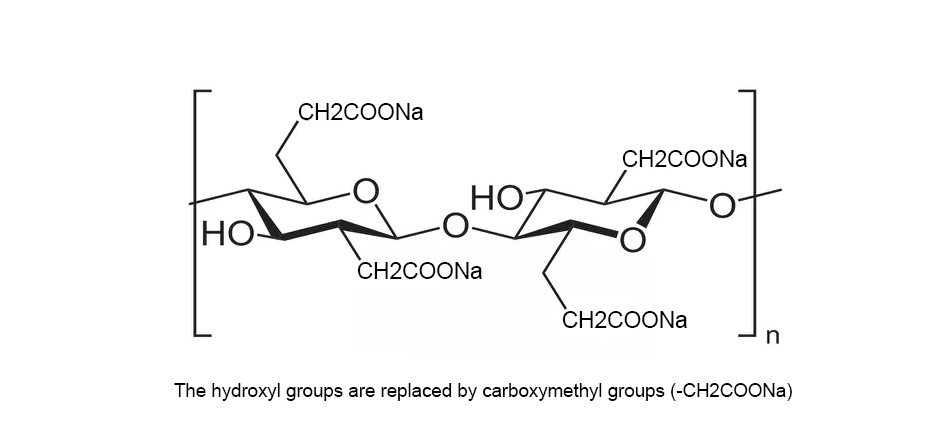
El DS representa el número promedio de grupos hidroxilo en cada unidad de anhidroglucosa que han sido reemplazados por grupos carboximetilo. Para PAC-LV, un DS ≥ 0,90 es fundamental.
- DS alto (0,92): Proporciona una solubilidad superior en salmuera saturada. Los grupos carboxilo con carga negativa (-CH2COO-) crean repulsión electrostática, manteniendo la cadena polimérica extendida incluso en entornos con alta concentración de electrolitos.
- DS bajo (<0,70): Esto provoca que la molécula se "enrolle" en agua salada, lo que hace que el polímero precipite y que el pozo pierda su sello protector.
B. Pérdida de fluidos: El mecanismo de la “torta de filtro compacta”
pérdida de líquidos (medido a 10,5 mL en la muestra) es la métrica de rendimiento de campo más crítica. PAC-LV funciona adsorbiéndose sobre partículas de arcilla para formar una torta de filtración delgada, resistente y de baja permeabilidad en la pared del pozo.
- Mecanismo: En una solución de NaCl 4%, las moléculas de PAC-LV deben permanecer lo suficientemente dispersas como para cubrir los poros microscópicos de la formación. Un resultado de 10,5 mL (frente a un límite de 16) indica una capacidad de sellado altamente eficiente, que protege la zona productora de petróleo de los daños causados por el agua.
C. Viscosidad aparente: Por qué "baja" suele ser mejor
En la perforación de pozos profundos, aumentar la viscosidad de todo el sistema de lodo puede provocar una presión excesiva en la bomba y una "pérdida de circulación".“
- PAC-LV (baja viscosidad): Diseñado para proporcionar un control de filtración máximo con un impacto mínimo en la viscosidad del lodo. Esto permite velocidades de perforación más rápidas (ROP) manteniendo la integridad estructural del pozo.
D.Pérdida por secado (contenido de humedad):
Si bien los límites estándar son ≤10⁻¹TP3T, nuestro resultado típico de 8,0% garantiza que el polímero fluya libremente sin aglomerarse (efecto ojo de pez) durante la mezcla. Un menor contenido de humedad también significa que se paga por el polímero activo, no por el peso del agua.
MI. Valor de pH (8,3):
Un pH ligeramente alcalino es fundamental para prevenir la corrosión de las sartas de perforación. Además, optimiza la velocidad de hidratación del PAC-LV, asegurando que alcance su máximo rendimiento rápidamente tras su incorporación al sistema de lodo.
F. Pureza y costo de procesamiento:
La pureza de nuestro PAC-LV varía entre 65% y 99%. Para lograr una mayor pureza, la suspensión cruda se somete a múltiples ciclos de lavado con etanol y agua para eliminar las sales residuales. Esta correlación directa implica que, si bien la pureza de 99% ofrece la máxima potencia, el aumento en los ciclos de lavado conlleva un mayor costo de producción.
🔬 La ciencia detrás de las especificaciones
Comprenda cómo los parámetros de la norma API 13A influyen directamente en el mecanismo de filtración de los lodos de perforación.
Explora la ciencia de la pérdida de fluidos →Fabricación industrial y control de calidad
Para lograr un estado “Calificado” API-13A, el proceso de fabricación Se centra en dos etapas críticas:
- Alcalinización y eterificación: El control preciso de la proporción de NaOH a celulosa garantiza que el DS se mantenga por encima de 0,90. Cualquier reacción desigual produce "manchas de gel" que hacen que el producto no supere las pruebas de ausencia de almidón y de pérdida de fluidos.
- Lavado con etanol (control de pureza): Se logra una mayor pureza (alcanzando 68,5% o más) mediante múltiples etapas de lavado con etanol de alta concentración. Esto elimina las sales subproducto (cloruro de sodio y glicolato de sodio), lo que garantiza que el producto final sea altamente concentrado y potente.
Impacto operativo: Costo vs. Rendimiento
El uso de un PAC-LV API-13A “calificado” reduce la Costo total de propiedad (CTP) para proyectos de perforación:
- Dosis más baja: El PAC de alta pureza requiere menos material para alcanzar los mismos objetivos de reducción de pérdidas de fluido.
- Mayor vida útil del equipo: Un pH estable (8,3) y un bajo contenido de almidón evitan la corrosión de las tuberías de perforación y la acidificación de los sistemas de lodo.
- Estabilidad del pozo: Las tortas de filtración de calidad superior evitan la "adherencia diferencial", una causa común de retrasos en la perforación que ascienden a millones de dólares.
Preguntas frecuentes (FAQ)
P: ¿Por qué la ausencia de almidón es un requisito obligatorio para la norma API-13A?
A: Las normas API-13A exigen estrictamente la ausencia de almidón, ya que este es altamente susceptible a la fermentación bacteriana y a la degradación térmica a temperaturas superiores a 90 °C. En entornos de perforación de alto riesgo, cualquier resto de almidón puede provocar un colapso repentino de las propiedades reológicas del lodo y del control de la filtración. Un resultado de "Conforme" en nuestro Certificado de Análisis (COA) garantiza que el PAC-LV se mantenga químicamente estable y resistente a los biocidas en condiciones de alta temperatura y alta presión (HTHP).
P: ¿Se puede utilizar PAC-LV en lodos de agua dulce?
R: Sí, aunque está optimizado para agua salada, PAC-LV proporciona un excelente control de filtración en sistemas de agua dulce sin aumentar significativamente el límite elástico del lodo.
P: ¿Cómo afecta la “pérdida por desecación” a la vida útil?
A: Un contenido de humedad de 8,01 TP3T (dentro del límite <101 TP3T) garantiza que el polvo permanezca suelto durante un máximo de 24 meses si se almacena en un almacén seco y ventilado utilizando envases estándar de PE/PP de 25 kg.