Iron Oxide Red Safety: SDS & Handling Guide
 Joe•
Joe•
Get the complete Iron Oxide Red safety profile. Understand SDS highlights, PPE requirements, and handling best practices for industrial applications.
Understanding the Safety Profile of Iron Oxide Red
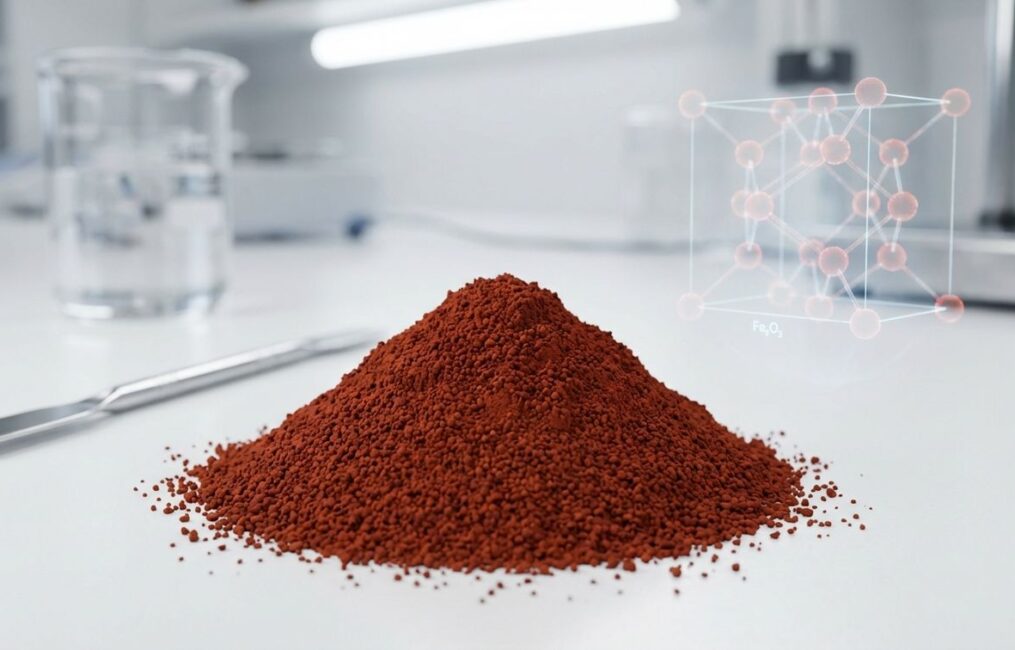
Iron Oxide Red, chemically known as ferric oxide (Fe₂O₃), is one of the most stable and widely used inorganic pigments in the world. Its exceptional color fastness, opacity, and durability make it a primary choice for coloring construction materials, coatings, plastics, and more. A crucial aspect for any formulator or procurement engineer is understanding its safety profile. This guide provides a comprehensive overview based on industry standards and typical Safety Data Sheet (SDS) information.
Is Iron Oxide Red Toxic? (Human Health Risks)
The direct answer to “is iron oxide red toxic?” is that synthetic iron oxide pigments are generally considered non-toxic, inert, and safe for their intended industrial applications. They are not classified as carcinogenic, mutagenic, or toxic for reproduction. The primary health consideration associated with handling iron oxide pigments is not chemical toxicity but the physical hazard of inhaling fine dust particles.
- Inhalation: Like any nuisance dust, prolonged or excessive inhalation of fine iron oxide powder can cause mechanical irritation to the respiratory tract. Industrial settings should always employ dust control measures and appropriate personal protective equipment (PPE) to minimize airborne particles.
- Skin & Eye Contact: Direct contact is unlikely to cause significant irritation. However, the fine particles can act as a mechanical irritant to the eyes, causing redness and discomfort. It is not a skin sensitizer.
- Ingestion: Accidental ingestion of small quantities is not considered harmful due to its low solubility and inert nature. High-purity grades are even approved for use in food and cosmetics.
It’s vital to distinguish between industrial-grade pigments and highly purified versions. While chemically similar, the manufacturing and purification processes determine their suitability for sensitive applications.
Environmental Impact of Iron Oxide Pigments
The environmental impact of iron oxide is minimal, primarily because it is a nature-identical substance. Iron oxides are the main components of rust and are abundant in soils and rocks worldwide. The synthetic manufacturing process allows for high purity and consistent particle size, which is crucial for industrial performance.
- Ecotoxicity: Iron oxide is practically insoluble in water and is not expected to be mobile in soil. It does not bioaccumulate and presents a very low risk to aquatic or terrestrial life.
- Persistence and Degradability: As a stable mineral compound, it does not biodegrade. Its persistence is a key feature of its performance, providing long-lasting color in applications like concrete and exterior coatings.
Overall, when handled and disposed of correctly, iron oxide pigments do not pose a significant threat to the environment.
Iron Oxide Red Safety Data Sheet (SDS/MSDS) Highlights
The Iron Oxide Red Safety Data Sheet (SDS), formerly known as a Material Safety Data Sheet (MSDS), is the definitive document for safety and handling information. At Rawchemicalmart.com, we provide a comprehensive SDS for every pigment grade, aligned with the Globally Harmonized System (GHS). Below are key sections you should always review.
Composition and Chemical Properties
This section identifies the substance and its key physical characteristics. Iron Oxide Red is identified by its CAS number 1309-37-1 and chemical formula Fe₂O₃. Different grades, such as Red 110 (bluish shade) and Red 130 (yellowish shade), offer varied colorimetric properties but share a similar safety profile. Key technical data is critical for formulators.
| Property | Typical Value (Red 110) | Typical Value (Red 130) | Test Standard |
|---|---|---|---|
| Chemical Formula | Fe₂O₃ | Fe₂O₃ | – |
| Fe₂O₃ Content (%) | ≥ 96 | ≥ 96 | ISO 1248 |
| Tinting Strength (%) | 98 – 102 | 98 – 102 | ISO 787-24 |
| Oil Absorption (g/100g) | 15 – 25 | 18 – 28 | ISO 787-5 |
| pH of Aqueous Suspension | 5 – 8 | 5 – 8 | ISO 787-9 |
| Heat Resistance | > 800 °C | > 800 °C | – |
| Lightfastness (Scale 1-8) | 8 (Excellent) | 8 (Excellent) | ISO 787-15 |
Hazard Identification and First Aid Measures
An MSDS for Iron Oxide Red will typically state that the product is not classified as hazardous according to OSHA Hazard Communication Standard (29 CFR 1910.1200) or European CLP regulations. The primary hazard is airborne dust.
First Aid Measures:
- After Inhalation: Move the affected person to fresh air. If respiratory symptoms persist, seek medical attention.
- After Skin Contact: Wash with soap and water. Not expected to cause irritation.
- After Eye Contact: Rinse cautiously with water for several minutes. Remove contact lenses, if present and easy to do. Continue rinsing. If irritation persists, get medical advice.
- After Ingestion: Rinse mouth. Do not induce vomiting. Seek medical advice if a large quantity has been ingested or if you feel unwell.
Best Practices for Handling Iron Oxide Pigments
Proper industrial hygiene and engineering controls are paramount when handling iron oxide pigments to ensure workplace safety and product quality. The main goal is to control and minimize airborne dust.
Personal Protective Equipment (PPE) Requirements
While iron oxide is non-toxic, protecting against nuisance dust is a standard best practice. Recommended PPE includes:
- Respiratory Protection: In environments where dust concentrations exceed exposure limits, use a NIOSH-approved particulate respirator (e.g., an N95 dust mask).
- Eye Protection: Wear safety glasses with side shields or chemical goggles to prevent mechanical irritation from dust.
- Hand Protection: Impervious gloves (e.g., nitrile or latex) are recommended to keep hands clean and prevent skin dryness.
- Protective Clothing: Standard work clothing or coveralls are sufficient to prevent dust from accumulating on personal clothes.
Storage, Spills, and Dust Control
Effective management of your pigment inventory and workspace is key to safety and efficiency.
- Storage: Store pigments in a dry, covered, well-ventilated area. Keep containers tightly closed to prevent moisture absorption, which can affect dispersion performance in plastics masterbatches or coatings.
- Dust Control: Use local exhaust ventilation at points of dust generation (e.g., bagging stations, mixers). Automated dosing systems can significantly reduce manual handling and dust exposure.
- Spill Cleanup: Avoid dry sweeping, which can re-suspend dust into the air. The preferred method is to use an industrial HEPA-filtered vacuum. Alternatively, gently moisten the spilled material with water (misting) before sweeping it up.
Regulatory Compliance and Application Grades
Navigating the regulatory landscape is essential for market access and product compliance. Iron oxide pigments are subject to various regional and application-specific regulations.
Regulations for Pigments in Paints and Coatings
For industrial applications like paints and coatings, pigments must comply with chemical inventory and safety regulations. The high lightfastness and weatherability of iron oxides make them ideal for exterior architectural coatings, but they must meet these standards:
Key Regulatory Frameworks:
– REACH (Registration, Evaluation, Authorisation and Restriction of Chemicals): Iron oxide pigments sold in the European Union must be registered under REACH (EC Regulation No 1907/2006).
– TSCA (Toxic Substances Control Act): In the United States, iron oxide is listed on the TSCA inventory, allowing it to be manufactured and imported.
– ASTM D50: This standard provides test methods for the chemical analysis of yellow, orange, red, and brown pigments containing iron and manganese.
Food Grade Iron Oxide Red: Purity and FDA Standards
A specialized category exists for food grade iron oxide red, which is subject to much stricter purity requirements. These grades are used as color additives in pharmaceuticals, pet foods, and some cosmetics.
- Purity: Food grade iron oxides (identified as E172 in Europe) must have extremely low levels of heavy metals like lead, mercury, arsenic, and cadmium.
- FDA Regulations: In the U.S., the FDA regulates synthetic iron oxide as a color additive under Title 21 of the Code of Federal Regulations (e.g., 21 CFR 73.1200 for drugs and 21 CFR 73.2250 for cosmetics).
It is critical to source these high-purity grades from suppliers who can provide certificates of analysis (COA) demonstrating compliance with these stringent standards. Industrial grades from rawchemicalmart.com are not intended for food, drug, or cosmetic use unless explicitly specified.
By understanding the information on the Safety Data Sheet and implementing proper handling procedures, you can safely and effectively leverage the exceptional performance of Iron Oxide Red in your formulations. For a detailed iron oxide red safety data sheet for any of our products, please contact our technical support team.
Technical Support for Industrial Chemicals
Need technical documents, pricing, or shipping information? Tell us the product grade, application, required quantity, and destination port for a prompt quotation.
Request a Quote