Industrial Polyvinyl Alcohol (PVA) Supply for Concrete
 Joe•
Joe•
Optimizing Concrete Performance: A Technical Guide to Polyvinyl Alcohol (PVA) Additives In the evolving landscape of modern construction, the demand for high-performance materials has shifted focus from simple cementitious mixtures to polymer-modified systems. Among the critical additives driving this shift is Polyvinyl Alcohol (PVA). As a synthetic polymer known for its exceptional film-forming properties and
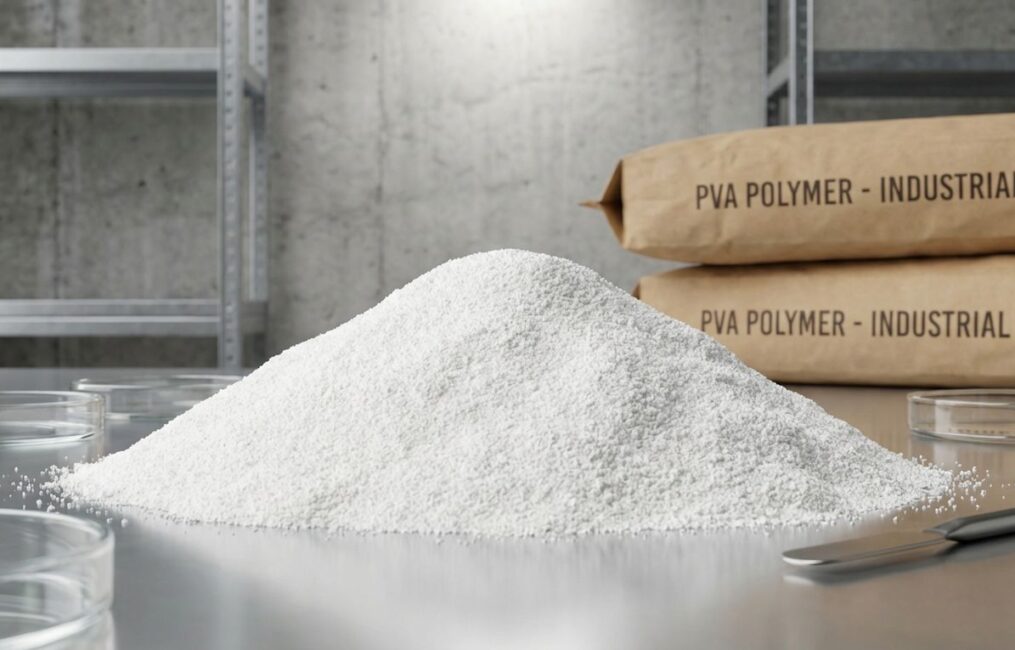
Optimizing Concrete Performance: A Technical Guide to Polyvinyl Alcohol (PVA) Additives
In the evolving landscape of modern construction, the demand for high-performance materials has shifted focus from simple cementitious mixtures to polymer-modified systems. Among the critical additives driving this shift is Polyvinyl Alcohol (PVA). As a synthetic polymer known for its exceptional film-forming properties and water solubility, PVA has become indispensable in enhancing the durability, workability, and adhesion of cement and concrete structures.
At rawchemicalmart.com, we understand that sourcing the right chemical raw materials is pivotal for formulation success. This guide explores the technical mechanisms of PVA in construction applications, its comparative advantages over traditional adhesives, and essential procurement specifications for industrial buyers.
The Mechanism: How PVA Modifies Cementitious Matrices
Polyvinyl Alcohol acts as more than just a surface adhesive; it fundamentally alters the microstructure of cement mortar. When introduced into a wet cement mix, PVA dissolves and disperses throughout the matrix. As the cement hydrates and cures, the water evaporates or is consumed, causing the PVA to precipitate and form a continuous polymer film.
This interpenetrating network serves two primary functions:
- Bridge Formation: The polymer film bridges micro-cracks within the cement paste, significantly increasing tensile strength and flexibility.
- Interfacial Adhesion: The hydroxyl groups (-OH) in PVA form strong hydrogen bonds with the silicates in cement and the surface of aggregates, improving the bond strength between the cement paste and the substrate.
R&D Note: The efficacy of PVA in cement is heavily dependent on its Degree of Hydrolysis and Degree of Polymerization. Partially hydrolyzed grades typically offer better cold-water solubility and adhesion, while fully hydrolyzed grades provide superior water resistance and tensile strength.
Key Technical Benefits in Construction Applications
Integrating PVA into concrete and mortar formulations addresses several common pathologies in construction materials, specifically brittleness and poor adhesion.
1. Enhanced Adhesion and Bonding Strength
PVA is widely recognized for its ability to bond new concrete to old concrete, making it a premier choice for repair mortars. Unlike traditional water-only mixes, PVA-modified mortar adheres aggressively to porous substrates, reducing the risk of delamination.
2. Improved Flexibility and Crack Resistance
Standard concrete has high compressive strength but low tensile strength, leading to cracking under thermal expansion or mechanical stress. PVA introduces a modulus of elasticity that allows the cured mortar to absorb minor movements. This flexibility is crucial for renders and thin-bed tile adhesives.
3. Water Resistance and Durability
While PVA is water-soluble, specific grades used in waterproofing admixtures form films that reduce the capillary porosity of concrete. This barrier slows down the ingress of water, chlorides, and carbon dioxide, thereby extending the service life of the structure and protecting reinforcing steel from corrosion.
Technical Specifications: Selecting the Right PVA Grade
For procurement officers and chemical engineers, selecting the correct specification is critical. Below is a standard technical profile for construction-grade PVA available through global supply chains.
| Parameter | Typical Specification Range | Impact on Application |
|---|---|---|
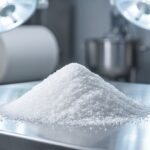
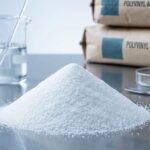
| Appearance | White to cream powder/granule | Ensures no discoloration in white cement applications. |
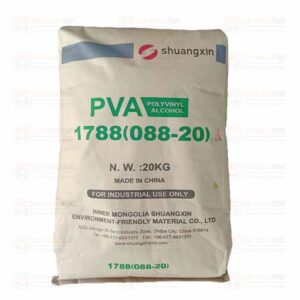
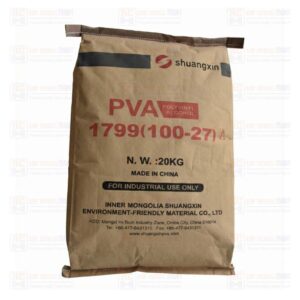
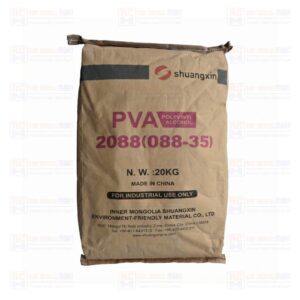
| Degree of Hydrolysis | 87.0% – 99.0% (mol) | 87-89%: Better solubility/adhesion. 98-99%: Higher water resistance/strength. |
| Viscosity (4% Solution) | 5.0 – 50.0 mPa.s | Determines the thickening effect and flow properties of the mortar. |
| Volatile Content | ≤ 5.0% | Low moisture content prevents caking during storage. |
| Ash Content | ≤ 0.7% | Indicates purity; lower ash ensures better polymer performance. |
| pH Value | 5.0 – 7.0 | Neutral pH ensures compatibility with alkaline cement environments. |
Sourcing Industrial Grade PVA?
As a leading global supplier, Raw Chemical Mart provides a comprehensive portfolio of Polyvinyl Alcohol (PVA) tailored for high-volume manufacturing, from textiles to advanced adhesives.
Dosage and Application Guidelines
The dosage of PVA varies based on the specific requirements of the formulation (e.g., whether it is a bonding agent, a repair mortar, or a waterproofing slurry). However, general industry standards suggest the following:
- Waterproofing Admixtures: Typically 0.5% to 2.0% by weight of cement.
- Bonding Slurries: Higher concentrations are used, often mixed 1:1 with water before adding to the cement sand mix.
- Tile Adhesives: Used in conjunction with Cellulose Ethers (HPMC) to improve open time and slip resistance.
Application Advice: When using PVA powder, dry-blend it thoroughly with cement and sand before adding water to ensure uniform dispersion. If using a liquid solution, ensure the PVA is fully dissolved in water prior to mixing with dry ingredients to prevent clumping.
Comparative Analysis: PVA vs. Traditional Adhesives
While traditional adhesives like solvent-based glues or simple cement pastes have been used for decades, PVA offers distinct advantages in modern green building initiatives.
Eco-Friendly Profile
PVA is water-based and non-toxic. It emits minimal Volatile Organic Compounds (VOCs) compared to solvent-based epoxies or rubber adhesives. This makes PVA-modified materials safe for indoor applications and compliant with strict environmental regulations.
Cost-Performance Ratio
Although specialized additives like Redispersible Polymer Powders (RDP) offer similar benefits, PVA often presents a more cost-effective solution for specific applications like bonding agents and surface primers. It provides the necessary adhesion without the higher price point of complex acrylic resins.
Supply Chain Reliability with RawChemicalMart
In the chemical raw material industry, consistency is as vital as chemistry. Variations in PVA specifications can lead to batch failures in finished construction products. At rawchemicalmart.com, we prioritize supply chain integrity for our global partners.
Quality Assurance
We supply PVA grades that undergo rigorous testing for viscosity stability and hydrolysis accuracy. Our portfolio includes grades suitable for diverse climates and application methods, ensuring that your R&D team has the precise raw materials needed for formulation.
Global Logistics
Understanding the volatility of chemical logistics, we offer:
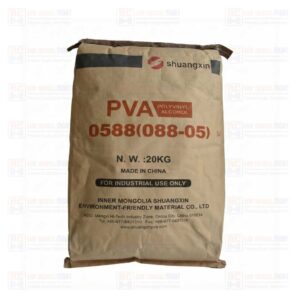
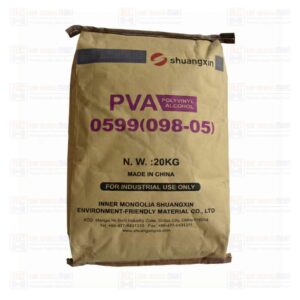
- Robust Packaging: 20kg or 25kg moisture-proof bags to prevent caking during transit.
- Inventory Stability: consistent stock levels to mitigate market fluctuations.
- Technical Support: Assistance in matching specific PVA grades to your existing formulations (e.g., replacing generic grades with high-performance alternatives).
Conclusion
Polyvinyl Alcohol is a cornerstone additive in the construction chemicals market, bridging the gap between traditional cement limitations and modern performance requirements. Whether utilized for waterproofing, increasing tensile strength, or ensuring superior adhesion, PVA empowers manufacturers to create durable, high-quality building materials.
For inquiries regarding specific grades, COA requests, or bulk pricing, contact the expert team at rawchemicalmart.com—your trusted partner in global chemical supply chains.
Technical Support for Industrial Chemicals
Need technical documents, pricing, or shipping information? Tell us the product grade, application, required quantity, and destination port for a prompt quotation.
Request a Quote