Руководство по использованию красного пигмента на основе оксида железа для бетона и цемента
 Джо•
Джо•
Узнайте о преимуществах красного оксида железа для бетона. В этом руководстве рассматриваются вопросы долговечности, стандарты ASTM и передовые методы смешивания для получения стойкого, яркого цвета.
Зачем использовать красный оксид железа в строительных материалах?
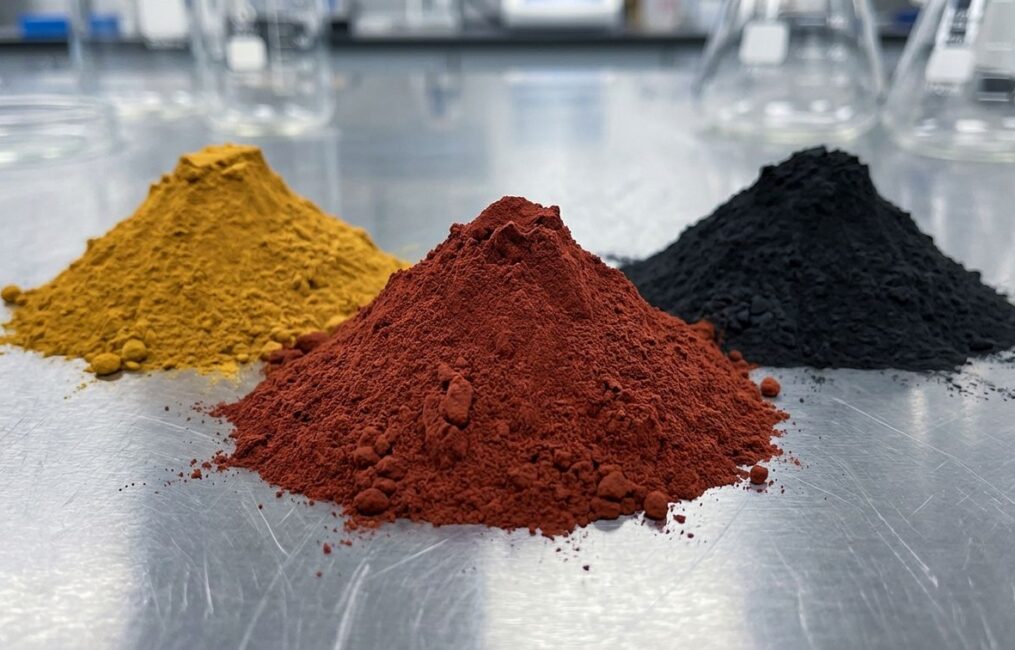
Красный оксид железа, химически известный как безводный оксид железа (Fe₂O₃), является наиболее широко используемым пигментом для окрашивания цементных материалов. Его доминирование в строительной отрасли не случайно; оно обусловлено уникальным сочетанием химической стабильности, эксплуатационных характеристик и экономичности. В отличие от органических красителей, которые могут выцветать или разрушаться, синтетические оксиды железа являются неорганическими минеральными пигментами, обеспечивающими стойкий, насыщенный цвет, сохраняющийся на протяжении всего срока службы бетонной конструкции.
При выборе Красный пигмент на основе оксида железа для цемента, Разработчики рецептур и инженеры отдают приоритет пигментам, гарантирующим стабильность цвета, не нарушающим структурную целостность и обеспечивающим стабильные результаты. Высококачественные синтетические оксиды железа, такие как те, что предлагает компания Raw Chemical Mart, разработаны для удовлетворения этих строгих требований, что делает их лучшим выбором для оксид железа красный строительные материалы.
Долговечность оксида железа в бетоне
Основная проблема для любого пигмента в бетоне — это сильно щелочная среда. Свежая цементная паста может иметь pH от 12 до 13,5. Многие химические соединения нестабильны в таких условиях, но оксиды железа обладают исключительной щелочестойкостью. Они химически инертны и не вступают в реакцию с цементом или продуктами его гидратации. Это гарантирует стабильность цвета и предотвращает его “растекание” или изменение со временем.
Кроме того, стойкость оксида железа в бетоне Это касается и его физического воздействия. При правильной дозировке (обычно 1-6% по весу цемента) эти мелкие частицы пигмента не оказывают негативного влияния на конечную прочность на сжатие, удобоукладываемость или время твердения бетона. Они физически интегрируются в цементную матрицу, становясь неотъемлемой частью конструкции.
Устойчивость к УФ-излучению и атмосферным воздействиям
Для наружных работ, таких как мощение брусчаткой, архитектурные фасады и кровельная черепица, стойкость цвета имеет первостепенное значение. Красные пигменты на основе оксида железа обладают исключительной светостойкостью, обычно оцениваемой в 8 баллов по шкале Blue Wool Scale (от 1 до 8), что является наивысшим возможным показателем. Это означает, что они полностью устойчивы к выцветанию под воздействием ультрафиолетового (УФ) излучения солнца.
Эта присущая цветному бетону устойчивость к ультрафиолетовому излучению в сочетании с устойчивостью к воде, кислотным дождям и перепадам температуры гарантирует, что он сохранит свой эстетический вид на протяжении десятилетий, даже в самых суровых климатических условиях. Это делает его идеальным материалом для использования в различных условиях. красный оксид железа для окрашивания бетона Надежная и долгосрочная инвестиция в эстетику здания.
Основные области применения красного оксида железа
Универсальность красной краски на основе оксида железа позволяет использовать ее в самых разнообразных строительных областях, обеспечивая как эстетическую ценность, так и функциональные характеристики.
Пигмент для цементных и строительных растворов
Помимо товарного бетона, красный оксид железа является критически важным компонентом. пигмент для цемента и строительного раствора Области применения. Он используется для создания эстетически привлекательных цветных растворов для кирпичной кладки и затирки швов, обеспечивая желаемое сочетание или контраст швов с кирпичной кладкой. Он также необходим при изготовлении цветных штукатурок, гипсовых смесей и декоративных бетонных покрытий, позволяя архитекторам и дизайнерам добиваться насыщенных, землистых красных и терракотовых оттенков в своих проектах.
Производство цветных бетонных блоков с добавлением оксида железа.
производство цветные бетонные блоки с оксидом железа Это широкое промышленное применение. На предприятиях по производству блоков и тротуарной плитки точный контроль цвета имеет решающее значение для обеспечения однородности продукции. Для того чтобы каждый блок в партии, а также от партии к партии, имел одинаковый однородный цвет, необходимы высокочистые синтетические оксиды железа с постоянной интенсивностью окрашивания и размером частиц. Пигмент обычно добавляется на стадии сухого смешивания в процессе производства блоков для обеспечения тщательного и равномерного распределения.
Типичные физические свойства красного оксида железа строительного класса
Выбор правильного сорта пигмента имеет решающее значение для достижения желаемых результатов. Ниже приведена таблица, сравнивающая типичные свойства распространенных сортов красного оксида железа, используемых в строительстве.
| Свойство | Красный оксид железа 110 | Красный оксид железа 130 | Стандарт тестирования |
|---|---|---|---|
| Химическая формула | α-Fe₂O₃ | α-Fe₂O₃ | – |
| CI Пигмент Красный | 101 | 101 | – |
| Интенсивность тонирования (%) | 98 – 102 | 98 – 102 | ISO 787-16 |
| Поглощение масла (г/100г) | 15 – 25 | 15 – 25 | ИСО 787-5 |
| Значение pH | 5 – 8 | 5 – 8 | ИСО 787-9 |
| Теплостойкость | >800°C | >800°C | – |
| Светостойкость (по шкале от 1 до 8) | 8 (Отлично) | 8 (Отлично) | ISO 787-15 |
| Оттенок | Более желтый / Более яркий красный | Более синий / Насыщенный красный | Визуальный |
Как правильно смешивать пигмент с цементом: пошаговое руководство
Главная цель при смешивании пигментов — получение однородного цвета без разводов. Этот процесс требует тщательного измерения и методичного подхода. Следование этим шагам обеспечит профессиональное качество. красный оксид железа для окрашивания бетона.
Расчет правильной дозировки
Интенсивность конечного цвета определяется дозировкой пигмента, которая рассчитывается как процент от веса цементного материала (цемента, золы, шлака) в смеси, а не от общего веса бетона.
- Типичная дозировка: От 1% до 6% по весу цемента.
- Светлые/пастельные оттенки: 1-2%
- Оттенки средней/насыщенной насыщенности: 3-5%
- Глубокие оттенки: 6%. Дозировки выше 6% приводят к снижению цветопередачи и могут начать негативно влиять на прочность и удобоукладываемость бетона. Никогда не превышайте 10%.
Формула: Вес пигмента = Общий вес цемента × (Дозировка % / 100)
Пример: Для смеси, содержащей 100 кг цемента и требующей дозировки 4%, вам понадобится 100 кг × (4 / 100) = 4 кг красного пигмента оксида железа.
Методы смешивания для получения однородного красного цвета оксида железа для окрашивания бетона.
Чтобы избежать полос и пятен, важно максимально равномерно распределить частицы пигмента перед добавлением воды. Никогда не добавляйте сухой пигмент непосредственно во влажный бетон, так как он слипнется и не сможет равномерно распределиться.
- Смешивание всухую (рекомендуемый метод): Это наиболее надежный метод. Сначала смешайте пигмент оксида железа с песком и заполнителем. Тщательно перемешивайте эти сухие компоненты в миксере не менее 2-3 минут. Этот этап разрушает любые мелкие агломераты пигмента и покрывает частицы заполнителя.
- Добавить цемент: После того, как пигмент и заполнитель равномерно смешаются, добавьте цемент в смесь. Продолжайте перемешивание в сухом виде еще 2-3 минуты, пока не будет достигнут однородный, равномерный цвет по всей сухой смеси.
- Добавить воды: Медленно добавляйте отмеренное количество воды в сухую смесь. Перемешивайте не менее 5-7 минут после добавления всей воды, чтобы обеспечить полное проявление цвета и надлежащее увлажнение бетона. В мокром состоянии конечный цвет будет выглядеть намного светлее, а по мере затвердевания бетона он потемнеет.
Для крупномасштабных производств пигменты можно предварительно диспергировать в воде для образования суспензии, которая затем добавляется к смеси вместе с остальной водой. Для обеспечения стабильности суспензии и правильной дозировки требуется специализированное оборудование.
Для комплексного окрашивания бетона и строительного раствора пигменты должны соответствовать отраслевым стандартам, таким как... ASTM C979 (Стандартная спецификация на пигменты для бетона с интегральным окрашиванием) и ISO 1248 (Пигменты для окрашивания строительных материалов на основе цемента и/или извести). Эти стандарты устанавливают ограничения на такие свойства, как щелочестойкость, растворимость в воде и влияние на время схватывания, чтобы обеспечить эксплуатационные характеристики и безопасность продукта.
Часто задаваемые вопросы
- Ослабит ли красный пигмент на основе оксида железа бетон?
- При использовании в рекомендуемом диапазоне дозировки 1-6% от массы цемента высококачественные пигменты на основе оксида железа, соответствующие стандартам ASTM C979, не окажут существенного негативного влияния на конечную прочность на сжатие или долговечность бетона.
- Как обеспечить одинаковый цвет для разных партий бетона?
- Последовательность — залог успеха. Используйте абсолютно одинаковый состав смеси для каждой партии: один и тот же источник цемента, одни и те же типы заполнителей, одинаковое соотношение воды и цемента, а также точно отмеренный пигмент. Ведите подробные записи о дозировках и используемых материалах.
- В чём разница между красителем Iron Oxide Red 110 и красителем Red 130?
- Основное различие заключается в размере и форме частиц, что приводит к разным оттенкам. Красные марки 110 обычно дают более яркий, слегка желтовато-красный оттенок, в то время как красные марки 130 дают более глубокий, синеватый красный цвет. Выбор зависит от конкретной эстетической цели проекта.
- Можно ли получить коричневый или оранжевый цвет, используя красный оксид железа?
- Да. Красный оксид железа (Fe₂O₃) часто смешивают с желтым оксидом железа (FeOOH) и черным оксидом железа (Fe₃O₄) для создания широкого спектра коричневых, оранжевых и бежевых оттенков. Эти смеси обладают такой же стойкостью и долговечностью, как и базовые пигменты.