Black Iron Oxide for Concrete: A Complete Guide
 Joe•
Joe•
Discover the benefits of black iron oxide for concrete. Our guide covers properties, dosage, and applications for achieving permanent, UV-stable color.
What is Iron Oxide Black Pigment for Concrete?
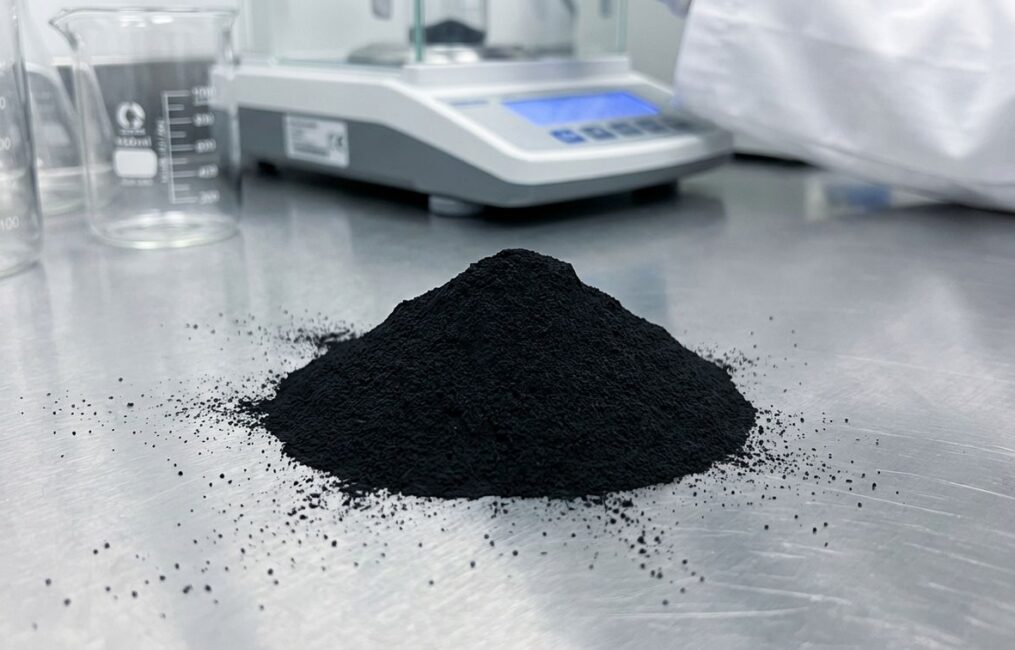
Iron Oxide Black Pigment for concrete, chemically known as magnetite (Fe₃O₄), is a high-performance inorganic colorant used to impart a deep, permanent black or grey hue to cement-based products. Unlike organic dyes that can fade over time, synthetic iron oxides are manufactured under controlled conditions to ensure consistent particle size, high purity, and exceptional tinting strength. This makes iron oxide black pigment for concrete the industry standard for achieving reliable, long-lasting color in demanding construction environments.
At Raw Chemical Mart, our black iron oxide pigments are engineered for superior dispersion and stability within the alkaline environment of a concrete mix, ensuring uniform color distribution without compromising the structural integrity of the final product.
Properties of Synthetic Black Iron Oxide
The performance of a black concrete pigment is defined by its physical and chemical properties. These parameters directly influence its color intensity, durability, and ease of use in formulation. The table below outlines typical specifications for a high-quality synthetic black iron oxide, such as C.I. Pigment Black 11 (77499).
| Propriedade | Typical Value | Significance in Concrete Applications |
|---|---|---|
| Fórmula Química | Fe₃O₄ | Represents Magnetite, ensuring chemical stability and inertness. |
| C.I. Name | Pigment Black 11 | Standardized industry identifier for synthetic black iron oxide. |
| Força de tingimento | 95 – 105% (Relative) | Indicates the pigment’s ability to color a medium; higher values mean less pigment is needed. |
| Absorção de óleo | 15 – 25 g/100g | Affects the water demand of the concrete mix; lower values are generally preferred. |
| Valor de pH | 5 – 9 | Ensures compatibility with the high-alkaline environment of Portland cement. |
| Resistência ao calor | > 180°C (356°F) | Guarantees color stability during steam curing or in high-temperature applications. |
| Lightfastness (BWS Scale) | 8 (Excellent) | Measures resistance to fading from UV light exposure; 8 is the highest rating. |
Need Full Iron Oxide Black Technical Data?
Explore our Ultimate Guide for in-depth purity standards, production methods, and professional sourcing strategies for Fe3O4 pigments.
View the Ultimate Pillar Guide →Why Choose Black Concrete Pigment?
The decision to use synthetic iron oxide for coloring concrete is driven by the need for durability, aesthetic consistency, and performance. For applications ranging from architectural facades to simple paving stones, the pigment’s inherent properties offer unmatched advantages.
Achieving Permanent Concrete Color Black
The term permanent concrete color black is not just a marketing claim; it’s a result of chemistry. Iron oxide pigments are mineral-based and chemically inert. When integrally mixed into concrete, the fine pigment particles become physically locked within the cured cement paste. They do not react with cement, aggregates, or common atmospheric chemicals, ensuring the color will not wash out, bleach, or change hue over the product’s lifespan. The color is as permanent as the concrete itself.
UV Stability and Weather Resistance
One of the most significant advantages of iron oxide pigments is their exceptional resistance to ultraviolet (UV) radiation and harsh weather conditions. Unlike organic colorants that degrade and fade when exposed to sunlight, iron oxides maintain their color integrity for decades. This makes them the only suitable choice for exterior applications like colored concrete driveways, patios, and building exteriors where color retention is critical.
Key Applications in Construction
The versatility of black iron oxide for concrete allows its use across a wide spectrum of construction and manufacturing sectors, providing both functional and aesthetic value.
Coloring Mortar with Black Iron Oxide
The process of coloring mortar with black iron oxide is essential for achieving aesthetically pleasing masonry work. A black or dark grey mortar can create a dramatic contrast with light-colored bricks or a seamless, modern look with darker blocks. The key is to ensure uniform dispersion of the pigment to avoid streaking. Using a high-quality, fine-milled pigment ensures that the mortar’s workability and bond strength are not negatively impacted.
Black Iron Oxide in Paving Stones and Hardscaping
For interlocking pavers, slabs, and retaining walls, color is a primary design element. The use of black iron oxide in paving stones provides a rich, deep color that enhances curb appeal and property value. These applications demand the highest level of durability, as they are exposed to constant foot and vehicle traffic, abrasion, de-icing salts, and freeze-thaw cycles. Iron oxide’s permanence ensures the hardscaping retains its intended color for years.
Decorative and Stamped Concrete
In the realm of decorative concrete, black pigment is used to create sophisticated and modern finishes. From polished black concrete countertops to stamped patios mimicking natural slate or stone, iron oxide provides the base color. Its fine particle size is crucial for achieving a smooth, consistent surface finish required in high-end architectural and design projects.
How to Mix Black Iron Oxide
Properly incorporating pigment into the concrete mix is critical for achieving the desired color and performance. Following established best practices ensures consistency from batch to batch.
Dosage Rates and Saturation Points
Black iron oxide is typically dosed at 1% to 6% by weight of the cementitious materials (cement, fly ash, slag) in the mix.
- Light to Medium Grey: 1-3% dosage
- Dark Grey to Black: 4-6% dosage
It’s important to understand the concept of the saturation point, which is typically around 6-7%. Beyond this point, adding more pigment yields minimal color change but can negatively impact the concrete’s compressive strength and increase water demand.
Integral Coloring vs. Surface Application
There are two primary methods for coloring concrete:
- Integral Coloring: This is the preferred method where the iron oxide black pigment for concrete is added directly into the mixer along with cement, sand, and aggregates. This ensures the color is dispersed throughout the entire concrete slab or product, resulting in a permanent, through-body color that will not chip or wear away.
- Surface Application: This involves applying color via stains or color hardener shakes after the concrete has been poured. While useful for certain decorative effects, the color is only surface-deep and can be susceptible to abrasion and wear over time. For true permanence, integral coloring is superior.
Common Issues and Best Practices
To ensure successful results, formulators and contractors should be aware of common variables that can affect the final color of the concrete.
- Water-to-Cement Ratio: The most critical factor. A higher water content will result in a lighter final color. Maintain a consistent water-to-cement ratio across all batches for uniform results.
- Curing Conditions: Improper curing can lead to efflorescence—a white, chalky deposit on the surface that can mask the pigment’s true color. Follow proper curing procedures to minimize this effect.
- Cement and Aggregate Color: The base color of the Portland cement (which varies from grey to dark grey) and aggregates will influence the final shade. For the deepest blacks, using a darker grey cement can be beneficial.
- Mixing Time: Ensure the pigment is mixed thoroughly to avoid streaks or blotches. A minimum of 5-7 minutes of mixing after all ingredients have been added is recommended.
FAQs About Iron Oxide Pigments
- Does black iron oxide affect the strength of concrete?
- When used within the recommended dosage rates (1-6%), the effect of high-quality synthetic iron oxide on concrete’s compressive strength is negligible. Exceeding the saturation point can begin to impact performance.
- Is black iron oxide pigment safe to handle?
- Yes, synthetic iron oxide pigments are non-toxic and considered inert. However, as with any fine powder, appropriate personal protective equipment (PPE), such as a dust mask and gloves, should be worn during handling to prevent inhalation.
- What industry standards apply to pigments for concrete?
- The primary standard governing pigments for integrally colored concrete is crucial for ensuring quality and performance.
ASTM C979 / C979M – 16: Standard Specification for Pigments for Integrally Colored Concrete. This standard sets requirements for color consistency, lightfastness, alkali resistance, and effects on concrete properties. Sourcing pigments that comply with this standard ensures reliability.
- How can I achieve a consistent color on a large project?
- For large projects, consistency is key. Use the same source for all raw materials (cement, sand, aggregate, and pigment) throughout the job. Carefully measure all components, especially water and pigment, for every batch. It is best practice to weigh the pigment rather than measure by volume.