Scheda di sicurezza dell'ossido di ferro nero: Guida alla sicurezza e alla manipolazione
 Joe•
Joe•
La nostra guida alla scheda di sicurezza dell'ossido di ferro nero illustra la tossicità, la manipolazione sicura e i requisiti relativi ai dispositivi di protezione individuale (DPI) per i formulisti industriali. Garantite la sicurezza sul lavoro e la conformità alle normative.
Scheda di sicurezza (SDS) e guida alla manipolazione dell'ossido di ferro nero
Per i formulisti industriali, gli ingegneri degli acquisti e gli operatori degli impianti, comprendere il profilo di sicurezza completo di una materia prima è fondamentale quanto le sue caratteristiche prestazionali. L'ossido di ferro nero (CI Pigment Black 11), un elemento fondamentale nella colorazione di edilizia, rivestimenti e materie plastiche, è ampiamente apprezzato per la sua durabilità e convenienza economica. Tuttavia, una manipolazione sicura ed efficiente richiede una conoscenza approfondita delle sue proprietà, dei potenziali pericoli e delle misure di controllo. Questa guida fornisce un'interpretazione pratica del ossido di ferro nero SDS (Scheda di Dati di Sicurezza), che fornisce le informazioni essenziali necessarie per mantenere un ambiente di lavoro sicuro e conforme alle normative.
Comprendere la sicurezza e le proprietà dell'ossido di ferro nero
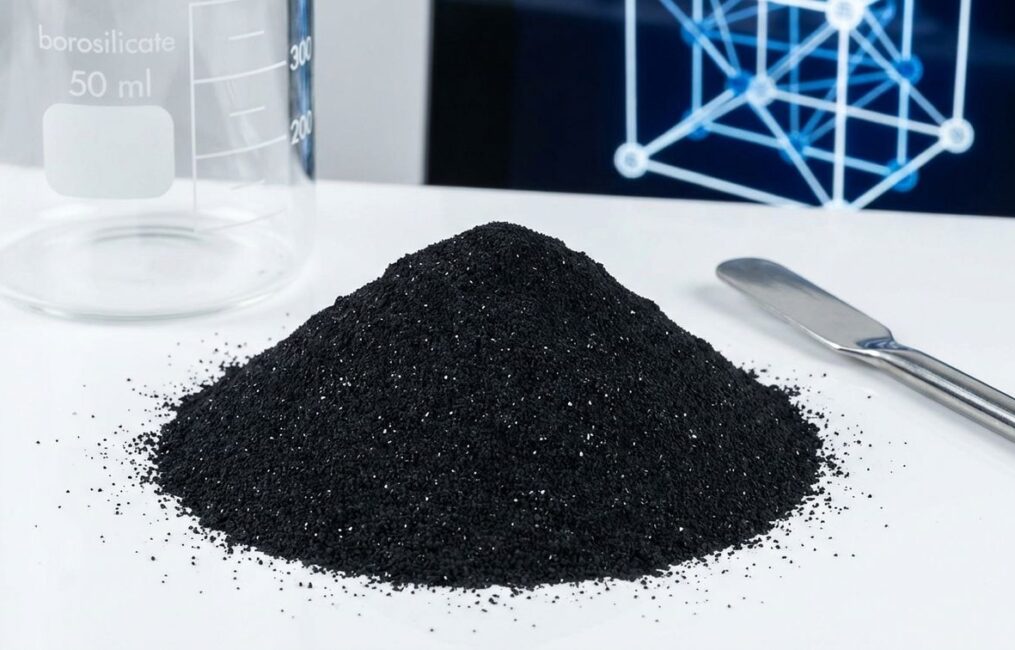
L'ossido di ferro nero è un pigmento inorganico sintetico apprezzato per la sua elevata forza colorante, opacità ed eccezionale stabilità. Il suo profilo di sicurezza è ben consolidato, ma come qualsiasi polvere fine, la sua forma fisica determina le principali considerazioni sulla manipolazione. La chiave per ossido di ferro nero sicurezza risiede nella gestione delle polveri sospese nell'aria.
Composizione chimica e identificazione dei pericoli
Dal punto di vista chimico, l'ossido di ferro nero è un ossido misto di ferro(II, III) con formula Fe₃O₄, identico al minerale magnetite. Secondo il Sistema armonizzato a livello globale (GHS), non è generalmente classificato come sostanza pericolosa. La principale preoccupazione, descritta nella scheda di sicurezza, è legata alla sua natura fisica di particolato fine, che può trasformarsi in una polvere fastidiosa se non gestita correttamente.
Di seguito sono riportate le specifiche tecniche tipiche di un prodotto ad alte prestazioni come il Black 722 di Raw Chemical Mart, che ne influenzano il comportamento in fase di applicazione e la maneggevolezza.
| Proprietà | Valore tipico | Significato nell'applicazione |
|---|---|---|
| Formula chimica | Fe₃O₄ | Garantisce elevata stabilità chimica e inerzia. |
| Forza colorante (%) | 95 – 105 | Determina l'efficienza colorante del pigmento in un sistema (ad esempio, vernice o calcestruzzo). |
| Assorbimento di olio (g/100g) | 15 – 25 | Influisce sulla domanda di leganti nei rivestimenti e sulla dispersione nei masterbatch di materie plastiche. |
| Valore del pH | 5 – 8 | Il pH quasi neutro garantisce la compatibilità con diversi sistemi, compresi i materiali cementizi. |
| Resistenza al calore | 180 °C (356 °F) | Fondamentale per applicazioni che prevedono processi ad alta temperatura come la lavorazione di materie plastiche e le vernici in polvere. |
| Resistenza alla luce (scala da 1 a 8) | 8 (Eccellente) | Garantisce una stabilità del colore a lungo termine nei rivestimenti esterni e nel calcestruzzo, proteggendoli dal degrado causato dai raggi UV. |
L'ossido di ferro nero è tossico? Dati sanitari e ambientali
Una domanda frequente da parte dei responsabili della sicurezza e dei formulisti è: "“L'ossido di ferro nero è tossico?”"I dati tossicologici completi disponibili indicano un livello di tossicità molto basso. Viene scarsamente assorbito dall'organismo ed è considerato biologicamente inerte.".
Hai bisogno di dati tecnici completi sull'ossido di ferro nero?
Esplora il nostro Guida definitiva per standard di purezza approfonditi, metodi di produzione e strategie di approvvigionamento professionali per Fe3O4 pigmenti.
Visualizza la Guida definitiva ai pilastri →Effetti acuti sulla salute rispetto all'esposizione cronica
IL ossido di ferro nero SDS Il documento sottolinea che l'esposizione acuta presenta principalmente un rischio di irritazione meccanica. L'inalazione di elevate concentrazioni di polvere può irritare le vie respiratorie, causando tosse o starnuti. Il contatto diretto può provocare una lieve e temporanea irritazione agli occhi e alla pelle. L'ingestione non rappresenta una via significativa di esposizione industriale ed è associata a una tossicità molto bassa.
L'esposizione cronica ad alti livelli di polvere di ossido di ferro per molti anni può potenzialmente portare a una pneumoconiosi benigna non fibrotica chiamata "siderosi" o "polmone del saldatore". Questa condizione è causata dal deposito di particelle di ferro nel tessuto polmonare ed è generalmente considerata reversibile, senza compromissione della funzionalità polmonare una volta cessata l'esposizione. Il rispetto dei limiti di esposizione professionale (OEL) stabiliti è fondamentale per prevenire tali effetti a lungo termine.
Riassunto sulla cancerogenicità e la tossicologia
Le principali organizzazioni internazionali per la salute e la sicurezza non hanno classificato gli ossidi di ferro sintetici come cancerogeni.
L'Agenzia Internazionale per la Ricerca sul Cancro (IARC), il Programma Nazionale di Tossicologia (NTP) e l'Amministrazione per la Sicurezza e la Salute sul Lavoro (OSHA) non classificano l'ossido di ferro(II,III) sintetico come cancerogeno. L'inerzia del pigmento e la conformità a normative come REACH (Registrazione, Valutazione, Autorizzazione e Restrizione delle Sostanze Chimiche) in Europa ne sottolineano ulteriormente il profilo di sicurezza se maneggiato correttamente.
Dal punto di vista ambientale, l'ossido di ferro è un minerale presente in natura. Non è tossico per gli organismi acquatici e non rappresenta un rischio ambientale significativo.
Manipolazione sicura dei pigmenti di ossido di ferro
L'implementazione di controlli ingegneristici e pratiche di lavoro adeguati è fondamentale per la sicurezza manipolazione dei pigmenti di ossido di ferro. L'obiettivo è ridurre al minimo la produzione e l'inalazione di polveri sospese nell'aria.
misure di ventilazione e controllo delle polveri
Il metodo più efficace per controllare la polvere è agire alla fonte. Utilizzare sistemi di ventilazione localizzata (LEV) nei punti in cui si genera polvere, come ad esempio nelle stazioni di apertura dei sacchi, nelle tramogge e nei miscelatori. Anche la ventilazione generale dell'ambiente di lavoro dovrebbe essere sufficiente a mantenere le concentrazioni di polvere al di sotto dei limiti di esposizione stabiliti. Per la pulizia, utilizzare aspirapolvere industriali dotati di filtri HEPA. Evitare l'uso di aria compressa, poiché questa ridisperderebbe le particelle fini di pigmento nell'aria.
Requisiti di conservazione e stabilità
L'ossido di ferro nero è chimicamente stabile e non combustibile. Conservare i pigmenti in un luogo asciutto, coperto e ben ventilato. Tenere i sacchi o i contenitori ben chiusi per evitare l'assorbimento di umidità e la contaminazione. Se conservati correttamente, i pigmenti di ossido di ferro hanno una durata di conservazione estremamente lunga e non si degradano. La loro stabilità è una caratteristica fondamentale per le prestazioni, in quanto garantisce che non interferiscano con la stagionatura del calcestruzzo o con la durabilità dei rivestimenti ad alte prestazioni.
Dispositivi di protezione individuale (DPI) per la manipolazione dei pigmenti
Quando i controlli ingegneristici non possono eliminare completamente l'esposizione, è necessario adottare misure appropriate. dispositivi di protezione individuale per la manipolazione dei pigmenti è l'ultima linea di difesa. I DPI specifici richiesti saranno dettagliati nella Sezione 8 del ossido di ferro nero SDS.
Standard di protezione delle vie respiratorie
Se le concentrazioni di polvere superano il limite di esposizione professionale (OEL), è necessario utilizzare dispositivi di protezione delle vie respiratorie.
- Per livelli di polvere moderati, in genere è sufficiente una maschera respiratoria filtrante N95 approvata dal NIOSH.
- Per concentrazioni più elevate o in aree scarsamente ventilate, è necessario utilizzare una semimaschera o un respiratore a pieno facciale con filtri antiparticolato P100 (HEPA) in conformità con lo standard OSHA per la protezione delle vie respiratorie (29 CFR 1910.134).
Dispositivi di protezione per occhi, viso e pelle
- Protezione degli occhi: Indossare occhiali di sicurezza con protezioni laterali conformi agli standard ANSI Z87.1 per evitare il contatto degli occhi con la polvere.
- Protezione della pelle: Si raccomanda di indossare indumenti da lavoro standard che coprano braccia e gambe. Guanti impermeabili, come quelli in nitrile, possono prevenire la secchezza e l'irritazione della pelle dovute al contatto prolungato.
- Igiene: Lavarsi sempre accuratamente le mani dopo aver maneggiato pigmenti e prima di mangiare, bere o fumare.
Primo soccorso e misure di emergenza
In caso di esposizione accidentale, seguire le istruzioni di primo soccorso riportate nella scheda di sicurezza. Tali misure sono generalmente semplici grazie alla bassa tossicità del pigmento.
- Inalazione: Portare la persona colpita all'aria aperta. Se i sintomi respiratori persistono, consultare un medico.
- Contatto con la pelle: Lavare la zona interessata con acqua e sapone neutro.
- Contatto visivo: Sciacquare immediatamente gli occhi con abbondante acqua pulita e tiepida per almeno 15 minuti, tenendo le palpebre aperte. Se l'irritazione persiste, consultare un medico.
- Ingestione: Sciacquare la bocca con acqua. Non indurre il vomito. L'ingestione di piccole quantità non è considerata dannosa.
Scarica la scheda di sicurezza completa dell'ossido di ferro nero
Questa guida fornisce una panoramica completa di ossido di ferro nero sicurezza, ma non sostituisce la scheda di sicurezza ufficiale. La versione completa ossido di ferro nero SDS (a volte indicato con il suo nome più vecchio, Scheda di sicurezza dell'ossido di ferro neroLa scheda di sicurezza (SDS) contiene informazioni dettagliate e obbligatorie per legge, specifiche per il tipo di prodotto che si sta utilizzando. Si consiglia vivamente di scaricare, leggere e comprendere la SDS completa prima di maneggiare il prodotto.