Ossido di ferro vs. nero di carbonio: guida comparativa ai pigmenti
 Joe•
Joe•
Confronta i pigmenti di ossido di ferro nero e nero di carbonio. Comprendi le principali differenze in termini di potere colorante, stabilità termica e costo per scegliere il nero più adatto alla tua applicazione.
Capire i contendenti: chi sono?
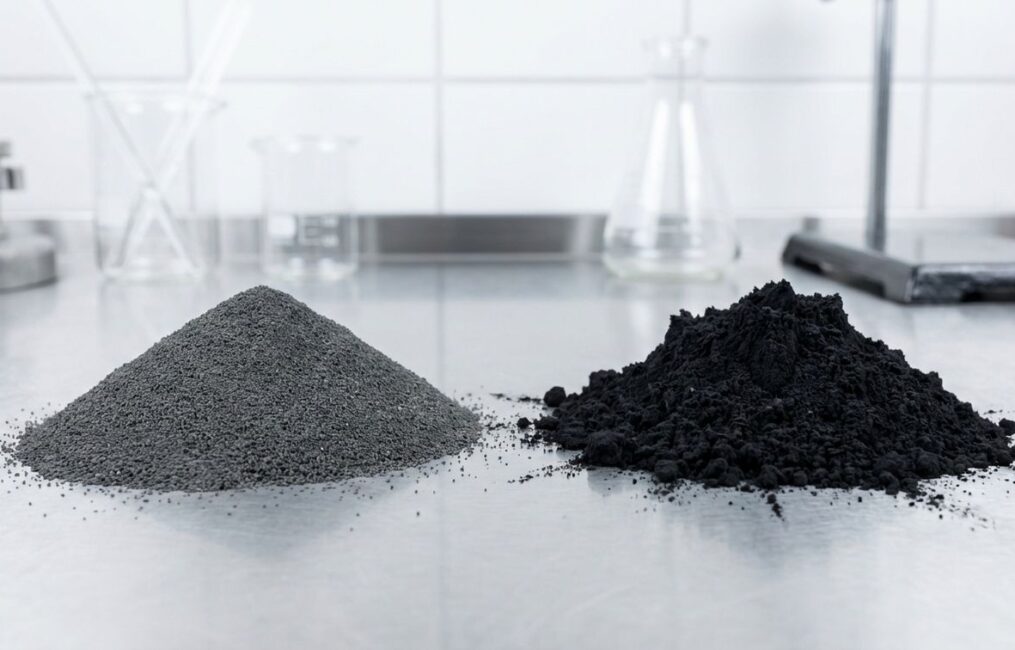
Nella scelta di un pigmento nero per applicazioni industriali, la decisione si riduce spesso a due tipologie chimiche principali: il nero di ossido di ferro e il nerofumo. Sebbene entrambi conferiscano un colore nero, la loro composizione chimica, le proprietà fisiche e le caratteristiche prestazionali sono sostanzialmente diverse. Comprendere queste differenze è fondamentale per i formulisti e gli addetti agli acquisti al fine di ottenere i risultati desiderati in termini di durata, colore ed economicità.
Ossido di ferro nero (Fe3O4) contro magnetite: chiarire la confusione
Il punto principale da chiarire riguarda i termini ossido di ferro nero e magnetite. A livello chimico, sono la stessa cosa: ossido di ferro nero fe3O4, un composto a valenza mista di ossido di ferro(II) e ferro(III). La chiave differenza tra ossido di ferro nero e magnetite La sua origine e la sua lavorazione risiedono nella loro composizione.
- Magnetite è la forma minerale presente in natura. Pur essendo abbondante, spesso contiene impurità come silice, argilla e altri minerali, che causano variazioni di colore, intensità del colore e granulometria.
- Ossido di ferro nero sintetico (CI Pigment Black 11) è l'equivalente prodotto industrialmente, ottenuto in condizioni controllate tramite processi come quelli di Laux o Penniman. Questa sintesi produce un pigmento ad elevata purezza, con granulometria uniforme e proprietà colorimetriche costanti, il che lo rende la scelta ideale per applicazioni industriali ad alte prestazioni. Su Rawchemicalmart.com, il nostro Black 722 è un ottimo esempio di pigmento sintetico ad elevata purezza.
Nero di carbonio: panoramica e proprietà principali
Il nerofumo (CI Pigment Black 7) non è un ossido, bensì una forma di carbonio paracristallino. Viene prodotto tramite combustione incompleta o decomposizione termica di idrocarburi. Le sue caratteristiche distintive sono la granulometria estremamente fine (spesso nell'ordine dei nanometri), l'elevata superficie specifica e l'eccezionale capacità di assorbire la luce nell'intero spettro visibile. Ciò si traduce in un'intensità di nero (giallo intenso) e un potere colorante senza pari, rendendolo un colorante potente anche a basse concentrazioni.
Pigmenti di ossido di ferro naturali vs. sintetici
Il dibattito di pigmenti di ossido di ferro naturali vs sintetici è un aspetto cruciale per qualsiasi formulista. Mentre i pigmenti naturali hanno un significato storico, le varianti sintetiche sono diventate lo standard del settore per le applicazioni che richiedono precisione e affidabilità.
Hai bisogno di dati tecnici completi sull'ossido di ferro nero?
Esplora il nostro Guida definitiva per standard di purezza approfonditi, metodi di produzione e strategie di approvvigionamento professionali per Fe3O4 pigmenti.
Visualizza la Guida definitiva ai pilastri →Differenze di purezza e dimensione delle particelle
Il processo di produzione sintetica consente un controllo preciso sulla crescita dei cristalli. Ciò significa che possiamo progettare pigmenti con una specifica distribuzione granulometrica e forma delle particelle. La magnetite naturale, al contrario, è un prodotto di processi geologici, che si traducono in una gamma ampia e imprevedibile di dimensioni delle particelle e impurità incorporate. Questa mancanza di controllo ha un impatto diretto su parametri prestazionali come l'assorbimento dell'olio, la disperdibilità e l'uniformità del colore finale.
Perché l'ossido di ferro nero sintetico è preferito per i rivestimenti
Per rivestimenti, vernici e materie plastiche, ossido di ferro nero sintetico è la scelta migliore. La sua granulometria controllata garantisce una dispersione più facile ed efficiente in resine e leganti, riducendo il consumo energetico durante la macinazione e prevenendo problemi come l'agglomerazione. L'elevata purezza garantisce l'assenza di impurità reattive che possano interferire con la chimica del legante o compromettere la durabilità a lungo termine. Questa uniformità è fondamentale per mantenere la precisione del colore tra i diversi lotti, un requisito imprescindibile nelle finiture per l'edilizia e il settore automobilistico.
Confronto prestazionale: Nero ossido di ferro contro nero carbone
Il nucleo del ossido di ferro nero contro nerofumo La decisione si basa su un confronto diretto delle loro caratteristiche prestazionali in una data formulazione.
Intensità della tinta e intensità del nero
È qui che il nerofumo offre un netto vantaggio. Grazie alla sua granulometria incredibilmente fine e all'elevato assorbimento della luce, il nerofumo fornisce una tonalità di nero intenso e profondo, quasi "nero jet", e possiede un potere colorante da 5 a 10 volte superiore a quello dell'ossido di ferro nero. Quest'ultimo produce una tonalità di nero più morbida e neutra ed è spesso utilizzato per creare una gamma di grigi, dove il suo minore potere colorante consente un controllo del colore più preciso.
Stabilità termica e resistenza chimica
L'ossido di ferro nero è un pigmento eccezionalmente robusto. È chimicamente inerte e presenta un'eccellente resistenza ad acidi, alcali e solventi. La sua stabilità termica è notevole, rimanendo stabile a temperature fino a 540 °C (1000 °F) prima di ossidarsi potenzialmente in ossido di ferro rosso (Fe2O3). Questo lo rende ideale per processi ad alta temperatura come l'estrusione di materie plastiche e la cottura della ceramica. Anche il nerofumo è termicamente stabile, ma può risultare più reattivo in determinati ambienti chimici.
Secondo gli standard del settore come ISO 1248, I pigmenti a base di ossido di ferro si distinguono per la loro eccezionale resistenza alla luce e agli agenti atmosferici, caratteristiche che li rendono un punto di riferimento per applicazioni esterne durevoli.
Implicazioni di costo per l'uso industriale
Il prezzo al chilogrammo può variare. Tuttavia, una vera analisi dei costi deve considerare il costo di utilizzo. Grazie all'elevato potere colorante del nerofumo, ne occorre una quantità minore per ottenere il colore desiderato, il che può rappresentare un vantaggio in termini di costi. D'altro canto, la sua fine granulometria può rendere difficile la dispersione, aumentando potenzialmente i tempi di lavorazione, i costi energetici e richiedendo attrezzature specializzate. L'ossido di ferro nero, con la sua granulometria maggiore, è generalmente più facile da bagnare e disperdere, riducendo potenzialmente i costi complessivi di produzione nonostante sia richiesto un livello di carico maggiore.
Tabella comparativa dei pigmenti neri
Per agevolare la tua valutazione tecnica, questo Tabella comparativa del pigmento nero Riassume le principali differenze tra i tipici gradi di nerofumo sintetico e un nerofumo per uso generale.
Riepilogo delle specifiche tecniche
| Proprietà | Ossido di ferro sintetico nero (ad esempio, Nero 722) | Nero di carbonio (uso generale) |
|---|---|---|
| Nome CI | Pigmento Nero 11 | Pigmento Nero 7 |
| Formula chimica | Fe3O4 | C (Amorfo) |
| Forza colorante | Buono (95-105% rispetto allo standard) | Eccezionale (spesso >200%) |
| Jetness (Masstone) | Nero tenue e neutro | Nero intenso e profondo |
| Assorbimento di olio (g/100g) | 15 – 25 | 40 – 120+ (Varia notevolmente) |
| Resistenza al calore | ~540 °C (1000 °F) | >300 °C (Varia a seconda del grado) |
| Resistenza alla luce (scala da 1 a 8) | 8 (Eccellente) | 8 (Eccellente) |
| resistenza agli agenti atmosferici | Eccellente | Eccellente (buon assorbitore di raggi UV) |
| pH tipico | 7 – 10 | 3 – 9 (Varia a seconda del processo) |
Conclusione: Quale pigmento è più adatto alla tua applicazione?
La scelta tra ossido di ferro nero e nerofumo non riguarda quale sia "migliore", ma quale sia più adatto alla vostra specifica applicazione e ai vostri requisiti di prestazioni.
- Scegli l'ossido di ferro sintetico nero per:
- Costruzione: Colorazione integrale di calcestruzzo, lastre per pavimentazione e mattoni, dove la stabilità ai raggi UV, la resistenza agli agenti atmosferici e la mancanza di impatto sui tempi di stagionatura del calcestruzzo sono di fondamentale importanza.
- Rivestimenti esterni: Pitture per l'edilizia e rivestimenti industriali che richiedono eccezionale durata e mantenimento del colore a lungo termine, resistendo alla luce solare e agli agenti atmosferici.
- Materie plastiche e ceramiche per alte temperature: Applicazioni in cui l'elevata stabilità termica e l'inerzia chimica sono fondamentali durante il processo.
- Tinta grigia precisa: Formulazioni in cui è necessario un nero più morbido e un controllo più preciso sulle tonalità di grigio.
- Scegli Carbon Black per:
- Applicazioni ad alta velocità di getto: Vernici di finitura per autoveicoli, finiture industriali di alta gamma e inchiostri per applicazioni in cui è richiesto il nero più profondo e intenso.
- Necessità di un'elevata intensità di colorazione: Masterbatch per materie plastiche e sistemi di colorazione in cui una piccola quantità di pigmento deve fornire un colore intenso.
- Protezione dai raggi UV: Applicazioni nel settore delle materie plastiche e della gomma, dove la sua capacità di assorbire le radiazioni UV contribuisce a proteggere la struttura polimerica dalla degradazione.
Comprendendo le differenze chimiche e fisiche fondamentali nel ossido di ferro nero contro nerofumo Grazie al confronto, potrete prendere una decisione informata che ottimizzi sia le prestazioni che la redditività del vostro prodotto. Per le schede tecniche o per discutere della vostra specifica applicazione, contattate oggi stesso gli esperti di Rawchemicalmart.com.
Technical Support for Industrial Chemicals
Need technical documents, pricing, or shipping information? Tell us the product grade, application, required quantity, and destination port for a prompt quotation.
Richiedi un preventivo