Fornitura di alcol polivinilico (PVA) industriale per carta e colla
 Joe•
Joe•
Miglioramento delle prestazioni industriali: alcol polivinilico (PVA) nella produzione di carta e adesivi Nel panorama competitivo dell'approvvigionamento di materiali industriali, l'alcol polivinilico (PVA o PVOH) si distingue come un polimero fondamentale per migliorare la durata, la finitura e la lavorabilità del prodotto. Essendo un polimero sintetico idrosolubile, il PVA offre eccezionali proprietà filmogene, elevata resistenza alla trazione e resistenza agli oli e
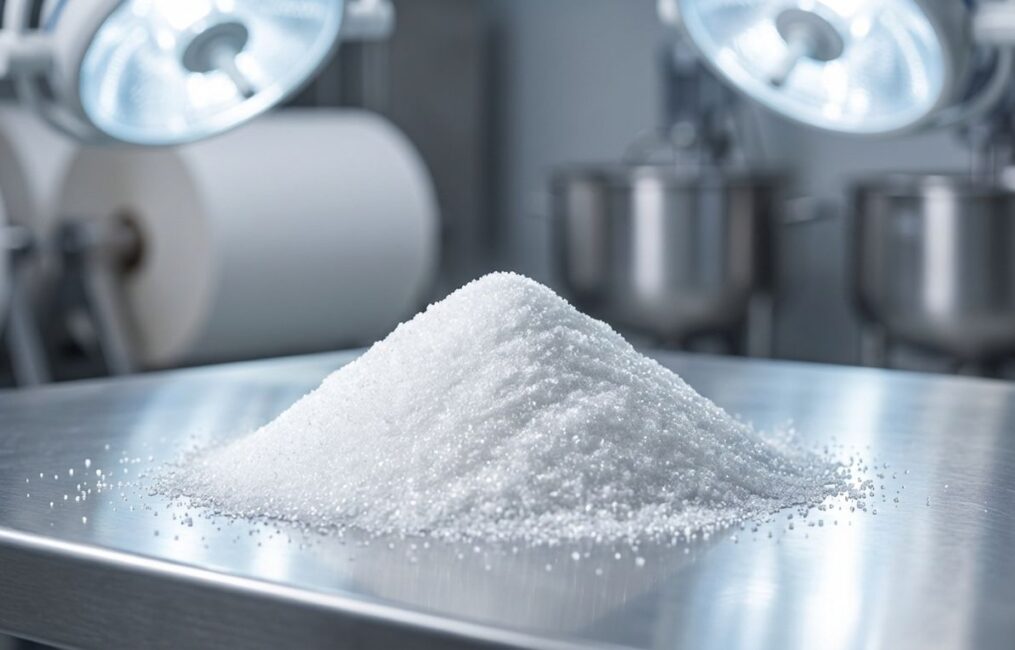
Miglioramento delle prestazioni industriali: l'alcol polivinilico (PVA) nella produzione di carta e adesivi.
Nel panorama competitivo dell'approvvigionamento di materiali industriali, l'alcol polivinilico (PVA o PVOH) si distingue come un polimero fondamentale per migliorare la durata, la finitura e la lavorabilità dei prodotti. Essendo un polimero sintetico idrosolubile, il PVA offre eccezionali proprietà filmogene, elevata resistenza alla trazione e resistenza a oli e solventi.
A rawchemicalmart.com, comprendiamo che per i responsabili degli acquisti e gli ingegneri di ricerca e sviluppo nei settori della carta e degli adesivi, la coerenza è fondamentale. Che si tratti di produrre carta patinata lucida, imballaggi in cartone ondulato resistenti o colle per legno resistenti all'acqua D3, selezionare il grado corretto di PVA—definita dal suo grado di idrolisi e viscosità—è essenziale per ottimizzare i costi di produzione e le prestazioni del prodotto.
Il ruolo cruciale del PVA nell'industria cartaria
L'industria cartaria si affida in larga misura a leganti e agenti di collatura per trasformare la pasta di cellulosa in materiali di alta qualità per la stampa e l'imballaggio. Sebbene i leganti tradizionali come l'amido e la caseina siano stati utilizzati per decenni, l'alcol polivinilico si è affermato come un'alternativa o un additivo superiore grazie alla sua efficacia e ai minori dosaggi richiesti.
1. Dimensionamento della superficie e stampabilità
La colla vinilica (PVA) è ampiamente utilizzata come agente di collatura superficiale. Applicata al supporto cartaceo, forma una pellicola resistente e trasparente che sigilla i pori della superficie. Questa proprietà di "isolamento" è fondamentale per le carte da stampa. Impedendo agli inchiostri di penetrare troppo in profondità nelle fibre della carta, la PVA garantisce che l'inchiostro rimanga in superficie, con conseguente ottenimento di immagini più nitide, maggiore densità di colore e migliore lucentezza.
Approfondimento tecnico: La PVA viene spesso utilizzata in combinazione con l'amido per il trattamento superficiale. L'aggiunta di una quantità di PVA pari a 5-10% a una soluzione di amido può migliorare significativamente la resistenza superficiale (resistenza alla trazione IGT) e ridurre la formazione di polvere durante i processi di stampa ad alta velocità.
2. Legante per rivestimento pigmentato
Nella produzione di carte patinate (come la carta artistica o la carta per riviste), la PVA agisce come co-legante insieme al lattice. La sua funzione principale è quella di legare le particelle di pigmento, come il carbonato di calcio o l'argilla caolinica, alla carta di base. L'elevato potere legante della PVA significa che è necessaria una minore quantità di legante per ottenere la stessa resistenza, lasciando più spazio ai pigmenti e migliorando così le proprietà ottiche (bianchezza e opacità) della carta finita.
3. Vettore sbiancante ottico
Gli sbiancanti ottici (OBA) vengono utilizzati per rendere la carta più bianca. Il PVA è un eccellente veicolo per gli OBA perché non interferisce con la loro fluorescenza. A differenza dell'amido cationico, che può attenuare l'effetto sbiancante, il PVA stabilizza l'OBA, garantendo la massima luminosità ed efficienza di bianchezza.
Cerchi colla vinilica di grado industriale?
In qualità di fornitore leader a livello globale, Raw Chemical Mart offre un portafoglio completo di alcol polivinilico (PVA) studiato per la produzione su larga scala, dai tessuti agli adesivi avanzati.
Scopri i nostri gradi e le nostre forniture di PVA industriale →
Ottimizzazione delle formulazioni adesive con PVA
Oltre che nell'industria cartaria, la colla vinilica (PVA) è la base dell'industria degli adesivi a base d'acqua. La sua versatilità ne consente l'utilizzo in applicazioni che spaziano dalle semplici colle per ufficio ai complessi laminati industriali.
Adesivi per cartone e imballaggi
Nella produzione di tubi di carta, scatole di cartone e cartone a nido d'ape, gli adesivi PVA offrono un'adesione rapida e un'elevata forza di legame. Ciò è particolarmente importante nelle macchine ondulate ad alta velocità, dove l'adesivo deve indurirsi rapidamente per mantenere elevati i ritmi della linea di produzione. Gli adesivi PVA presentano eccellenti proprietà di "ri-umidificazione", che consentono di riattivare le linee di colla essiccate con acqua, aspetto essenziale per nastri adesivi e timbri.
Lavorazione del legno e stabilizzazione delle emulsioni
Per l'industria della lavorazione del legno, il PVA è sinonimo di "colla bianca". Tuttavia, il suo ruolo va oltre quello di semplice adesivo. Nella produzione di emulsioni di acetato di vinile-etilene (VAE) o di acetato di polivinile (PVAc), il PVA agisce come un colloide protettivo.
Durante la polimerizzazione in emulsione, il PVA forma uno strato protettivo attorno alle particelle di polimero, impedendone l'aggregazione e garantendo la stabilità dell'emulsione (stabilità della viscosità). Ciò si traduce in colle per legno con un'eccellente durata di conservazione, stabilità al gelo-disgelo e proprietà di lavorazione superiori.
Selezione del grado tecnico: idrolisi e viscosità
La scelta del giusto grado di PVA è un equilibrio tra solubilità, resistenza all'acqua e forza adesiva. I due parametri principali sono: Grado di idrolisi (DH) e Viscosità.
| Tipo di grado PVA | Grado di idrolisi | Caratteristiche principali | Applicazioni principali |
|---|---|---|---|
| Completamente idrolizzato | 98% – 99.8% | Elevata resistenza all'acqua, elevata resistenza alla trazione, minore solubilità in acqua fredda (richiede calore per dissolversi). | Colle per legno resistenti all'acqua, appretti per tessuti, rivestimenti per carta ad alta resistenza. |
| Parzialmente idrolizzato | 87% – 89% | Eccellente solubilità in acqua (solubile in acqua fredda), maggiore attività superficiale, migliore adesione alle superfici idrofobiche. | Adesivi riumidificabili, colloidi protettivi per la polimerizzazione, dimensionamento superficiale. |
| PVA modificato | Variabile | Proprietà personalizzate (ad esempio, modificazione con gruppi carbossilici o acidi solfonici) per una specifica stabilità al pH o per la reticolazione. | Rivestimenti speciali per carta, formulazioni adesive complesse. |
Analisi comparativa: leganti PVA vs. leganti naturali
Sebbene i leganti naturali come l'amido e la caseina siano economici, spesso non offrono la consistenza richiesta dalla moderna produzione ad alta velocità. Il PVA offre vantaggi distinti che ne giustificano l'utilizzo in applicazioni ad alte prestazioni.
- Efficacia del dosaggio: La colla vinilica (PVA) ha una forza legante circa 3-4 volte superiore a quella dell'amido. Ciò consente ai produttori di ridurre il contenuto totale di solidi nelle loro formulazioni di rivestimento, mantenendone al contempo la resistenza.
- Flessibilità: A differenza delle pellicole fragili formate da amido o destrina, le pellicole in PVA sono flessibili e resistenti alle crepe durante le operazioni di piegatura o cordonatura (caratteristica fondamentale per la produzione di cartoni).
- Resistenza chimica: Il PVA offre una resistenza superiore a oli, grassi e solventi organici, il che lo rende la scelta ideale per gli imballaggi alimentari che necessitano di una barriera contro i grassi.
- Stabilità: I leganti naturali sono soggetti ad attacchi batterici e fluttuazioni di viscosità. Il PVA è un polimero sintetico resistente alla biodegradazione durante lo stoccaggio, garantendo una viscosità costante nel tempo.
Procedure ottimali per l'approvvigionamento e la gestione
L'approvvigionamento di materie prime chimiche di alta qualità richiede attenzione alla logistica e allo stoccaggio per mantenere l'integrità del prodotto. rawchemicalmart.com, Ci assicuriamo che i nostri prodotti PVA, che spaziano dai tipi flocculanti agli adesivi in polvere fine, vengano spediti in imballaggi a prova di umidità per evitare la formazione di grumi.
Consigli per la manipolazione e la dissoluzione:
Nella preparazione di soluzioni di PVA, è fondamentale disperdere prima la polvere in acqua fredda per evitare la formazione di grumi ("occhi di pesce"). Una volta dispersa, la temperatura deve essere portata a 90-95 °C (per i gradi completamente idrolizzati) e mantenuta per 30-60 minuti per garantire la completa dissoluzione. Per i gradi parzialmente idrolizzati, possono essere sufficienti temperature inferiori, ma l'agitazione è fondamentale.
Affidabilità della catena di approvvigionamento globale
Le interruzioni della catena di approvvigionamento possono bloccare le linee di produzione. Siamo specializzati nella distribuzione globale di materie prime essenziali, tra cui il biossido di titanio, Pigmenti di ossido di ferro, e TCCA per il trattamento delle acque. Affidando l'approvvigionamento di polimeri e additivi a rawchemicalmart.com, potrete beneficiare di una logistica semplificata e di protocolli di garanzia della qualità uniformi (verifica del certificato di analisi) per ogni lotto.
Conclusione
L'alcol polivinilico è un materiale indispensabile per l'industria della carta e degli adesivi, offrendo una combinazione unica di resistenza, capacità filmogena e resistenza chimica che le alternative naturali non possono eguagliare. Che si tratti di formulare una colla per legno D4 resistente all'acqua o di ottimizzare un rivestimento per carta per la stampa offset ad alta velocità, il corretto grado di PVA è alla base delle prestazioni del prodotto.
Esplora il nostro ampio portfolio di Polimeri e additivi, inclusi PVA, RDP/VAE e addensanti specializzati. Contattare il rawchemicalmart.com Contatta oggi stesso il nostro team per discutere le specifiche tecniche, richiedere campioni o proteggere la tua catena di approvvigionamento con le nostre soluzioni logistiche globali.
Technical Support for Industrial Chemicals
Need technical documents, pricing, or shipping information? Tell us the product grade, application, required quantity, and destination port for a prompt quotation.
Richiedi un preventivo