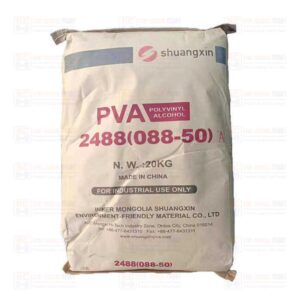


Breve introduzione:
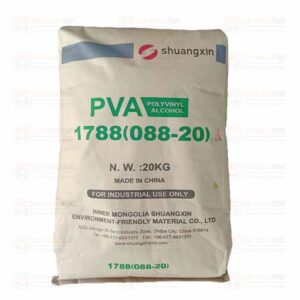
Alcol polivinilico 20-88 (noto anche come PVA 2088 o 088-35) è un parzialmente idrolizzato polimero di grado caratterizzato da un unico viscosità medio-alta allineare.
Con una viscosità di 28,0 – 43,0 mPa.s, Rispetto ai gradi standard 17-88, la PVA 20-88 offre una maggiore adesività iniziale e uno spessore del film più elevato, mantenendo al contempo migliori proprietà di fluidità rispetto ai gradi 24-88 ad alta viscosità. Questo equilibrio la rende la scelta ideale per applicazioni industriali che richiedono un controllo reologico preciso, come ad esempio agenti indurenti per abrasivi e adesivi riattivabili con acqua.
Specifiche:
| Articolo | Specificazione |
|---|---|
| Grado di alcolisi (mol%) | 86.00 - 90.00 |
| Viscosità (mPa·s) | 28.0 - 43.0 |
| Contenuto volatile (wt%, max) | 5 |
| Purezza (wt%, min) | 93.5 |
| Valore del pH | 5 ~ 7 |
| Contenuto di ceneri (peso %, massimo) | 0.5 |
Caratteristiche principali:
-
Solubilità: Facilmente solubile in acqua. Sebbene possa dissolversi lentamente a temperatura ambiente, si consiglia di dissolverlo in acqua calda a oltre 85°C per l'efficienza.
-
Suggerimento di decorazioneDurante la dissoluzione potrebbe formarsi della schiuma; si consiglia l'aggiunta di un agente antischiuma.
-
-
Punto di fusione: Come grado parzialmente idrolizzato, inizia a sciogliersi intorno 180-190 °C e si decompone al di sopra dei 200 °C.
-
adesivitàPresenta un'eccellente forza di adesione non solo ai materiali idrofili (cellulosa, carta) ma anche alle fibre idrofobe.
-
Proprietà del filmForma pellicole flessibili e resistenti con eccellenti proprietà di barriera contro i gas.
-
CompatibilitàCompatibile con amido, gomme e altre emulsioni.
Applicazioni:
-
Abrasivi e stampi rivestiti: Utilizzato specificamente per irrigidimento del tessuto di base e rinforzo nell'industria degli abrasivi (ad esempio, supporto per carta vetrata).
-
Adesivi: Ideale per formulare adesivi riumidificabili (colle umidificanti) utilizzate nei francobolli, nelle buste e nei nastri di carta.
-
Industria tessileUtilizzato nella lavorazione delle fibre per fibre corte e filamenti lunghi al fine di migliorare l'efficienza della tessitura.
-
Sviluppo delle pellicoleUtilizzato come materia prima per la produzione di pellicole idrosolubili.
-
Stabilizzatore: Agisce come colloide protettivo nella polimerizzazione delle emulsioni di acetato di vinile (PVAc).
Imballaggio:
- Confezione: 25 kg per sacco.
- MagazzinaggioConservare in un luogo fresco, asciutto e ben ventilato per evitare che il prodotto si agglomeri e assorba umidità.
Prodotto Magazzinaggio:
Conservare in un luogo asciutto e ben ventilato per evitare l'assorbimento di umidità.
Domande frequenti:
D: Quando dovrei scegliere PVA 20-88 invece di PVA 17-88?
A: Dovresti scegliere PVA 20-88 quando è necessaria una viscosità leggermente superiore (28-43 mPa.se una forza adesiva superiore a quella offerta dal 17-88 (19-32 mPa.s). È ideale per applicazioni in cui il 17-88 è troppo fluido, come ad esempio nel rinforzo dei tessuti o nelle applicazioni di incollaggio verticale.
D: La colla vinilica PVA 20-88 produce schiuma durante la dissoluzione?
A: Sì, come molti gradi parzialmente idrolizzati, può generare schiuma durante il processo di dissoluzione. Si consiglia di aggiungere una piccola quantità di agente antischiuma (antischiuma) durante il processo di riscaldamento per garantire una soluzione limpida e priva di bolle.
D: Qual è la temperatura di fusione del PVA 20-88?
A: A differenza dei gradi completamente idrolizzati che fondono a temperature più elevate (~230°C), il PVA 20-88 inizia a fondere a un intervallo inferiore di 180-190 °C. Questo punto di fusione più basso può risultare vantaggioso in alcune applicazioni di lavorazione dei materiali termoplastici.
Hai bisogno di una colla vinilica a viscosità medio-alta? Richiedi un preventivo. Forniamo alcol polivinilico 20-88 di alta qualità per applicazioni industriali specializzate.