Black Iron Oxide for Plastics & Rubber | A Tech Guide
 Joe•
Joe•
Discover the benefits of black iron oxide for plastics & rubber. Learn about heat stability, dispersion in masterbatch, and key specs for industrial applications.
The Role of Black Iron Oxide in Polymer Applications
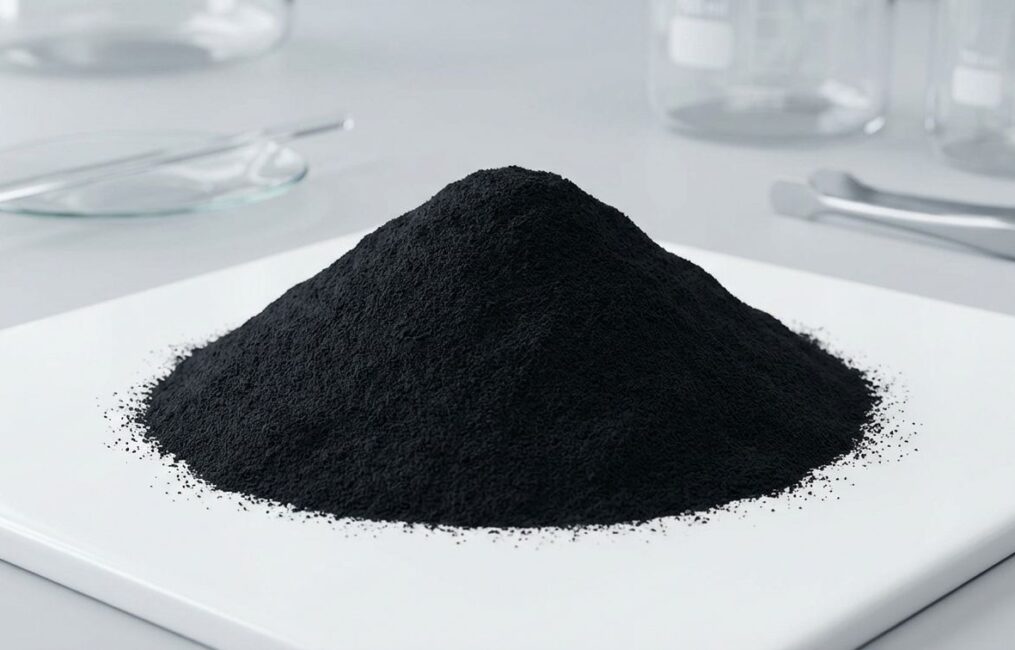
Black Iron Oxide, chemically known as magnetite (Fe₃O₄), is a cornerstone inorganic pigment for polymer applications. Its unique combination of durability, opacity, and cost-effectiveness makes it an indispensable tool for formulators in plastics, rubber, and masterbatch manufacturing. Unlike organic pigments or carbon black, black iron oxide for plastics offers a distinct set of properties that enhance both the aesthetic and functional characteristics of the final product. Its use in plastic coloring with black pigment provides a stable, jet-black to greyish-black hue that is resistant to environmental degradation, making it a preferred choice for a wide range of industrial and consumer goods.
Advantages of Black Iron Oxide for Polymer Coloring
When selecting a colorant, engineers and formulators must balance performance, processability, and price. Black Iron Oxide (C.I. Pigment Black 11) consistently delivers on all fronts.
- UV Stability & Weatherability: Iron oxides are exceptionally resistant to ultraviolet radiation. This inherent stability prevents fading, chalking, and polymer degradation in outdoor applications such as PVC window profiles, automotive parts, and agricultural films.
- Chemical Inertness: Fe₃O₄ is insoluble in water, oils, and most solvents, and it resists alkali and weak acids. This ensures that the color remains stable and does not bleed or migrate, even in chemically aggressive environments.
- High Opacity: With a high refractive index, black iron oxide provides excellent hiding power at relatively low loading levels. This allows for the production of deeply colored, opaque parts without compromising the mechanical properties of the base polymer.
- Cost-Effectiveness: Compared to many high-performance organic pigments and specialty carbon blacks, iron oxides offer a superior balance of performance to cost, making them an economically viable choice for high-volume applications.
- Non-Conductivity: Unlike many grades of carbon black, black iron oxide is not electrically conductive. This makes it the ideal black pigment for coloring wire and cable insulation, electronic enclosures, and other applications where electrical resistivity is critical.
Analyzing Heat Stability of Iron Oxide in Plastics
A critical consideration in polymer processing is the thermal stability of additives. The heat stability of iron oxide in plastics is a key performance indicator. Black Iron Oxide (Fe₃O₄) is generally stable up to approximately 180°C (356°F). Beyond this temperature, it can begin to oxidize, converting to Red Iron Oxide (Fe₂O₃), which results in a noticeable color shift from black to a reddish-brown hue.
This thermal limitation is important for formulators to consider when selecting processing parameters for polymers with high melting points, such as polycarbonate (PC) or polyamide (PA). However, for the most common thermoplastics like Polyethylene (PE), Polypropylene (PP), and Polyvinyl Chloride (PVC), the typical processing temperatures fall well within the stable range of black iron oxide. For applications requiring higher heat resistance, specialized surface-treated or encapsulated grades may be available, or a blend with other high-temperature pigments might be necessary.
Need Full Iron Oxide Black Technical Data?
Explore our Ultimate Guide for in-depth purity standards, production methods, and professional sourcing strategies for Fe3O4 pigments.
View the Ultimate Pillar Guide →Masterbatch Manufacturing with Black Iron Oxide
Masterbatch, a concentrated mixture of pigments and additives encapsulated within a carrier resin, is the most efficient method for coloring polymers. A high-quality masterbatch with black iron oxide ensures clean handling, precise dosing, and excellent dispersion in the final manufacturing process, such as injection molding or extrusion.
Optimizing Dispersion in Plastic Coloring
Achieving uniform dispersion is the primary goal in plastic coloring with a black pigment. Poor dispersion leads to aesthetic defects like specks and streaks, and can also create weak points in the final part, negatively impacting mechanical properties like impact strength and tensile elongation. Key factors for optimizing dispersion include:
- Particle Size: Micronized grades of black iron oxide with a controlled particle size distribution (PSD) disperse more easily and provide higher tinting strength.
- Carrier Resin Compatibility: The masterbatch carrier resin (e.g., LLDPE, PP) must be fully compatible with the end-use polymer to ensure proper melt blending.
- Wetting and Dispersing Agents: The use of appropriate additives in the masterbatch formulation helps to deagglomerate pigment particles and stabilize the dispersion, preventing reagglomeration during processing.
- Processing Equipment: High-shear mixers and twin-screw extruders are essential for applying the necessary mechanical energy to break down pigment agglomerates and distribute them homogeneously throughout the polymer matrix.
Selecting Pigment Grades for Masterbatch
Not all black iron oxide grades are created equal. When selecting a black iron oxide for polymer masterbatch, formulators should evaluate the pigment’s technical data sheet, paying close attention to:
- Oil Absorption: A lower oil absorption value generally indicates easier dispersion and allows for higher pigment loading in the masterbatch.
- Tinting Strength: A higher tinting strength means less pigment is required to achieve the desired color depth, improving cost-efficiency.
- Purity and Impurities: For sensitive applications, low levels of soluble salts and heavy metals are crucial to prevent issues like plate-out or polymer degradation.
Applications in Rubber Compounding
Beyond plastics, black iron oxide is a versatile pigment in the rubber industry. Its use in elastomers provides durable color without interfering with the critical physical properties of the compound.
Benefits of Iron Oxide Black in Rubber Formulations
The primary benefit of using iron oxide black in rubber compounding is its non-reinforcing nature. Unlike reinforcing carbon blacks (e.g., N330, N550) which significantly increase hardness and modulus, iron oxide acts purely as a colorant. This allows formulators to control the color of the compound independently of its mechanical properties. It is ideal for coloring EPDM roofing membranes, SBR-based goods, silicone seals, and natural rubber components where a specific durometer and color are required simultaneously.
Vulcanization and Curing Compatibility
A key advantage of iron oxides is their chemical inertness during the curing process. They do not accelerate or retard common sulfur or peroxide vulcanization systems. This predictable behavior ensures that the introduction of the pigment does not require a complete reformulation of the cure package, simplifying the development process for colored rubber articles. The pigment remains stable throughout the high-temperature and high-pressure curing cycle, ensuring consistent and uniform color in the final product.
Technical Specifications & Selection Guide
Choosing the correct grade of black iron oxide is paramount for achieving desired results. The table below outlines typical specifications for a high-performance grade suitable for demanding plastic and rubber applications.
| Propriété | Typical Value | Significance in Polymer Applications |
|---|---|---|
| C.I. Name | Pigment Black 11 (77499) | Universal industry identifier. |
| Formule chimique | Fe₃O₄ | Defines the pigment as magnetite iron oxide. |
| Force de teinture (%) | 95 – 105 | Measures color intensity; higher values are more economical. |
| Absorption d'huile (g/100 g) | 15 – 25 | Indicates wetting requirements; lower values ease dispersion. |
| valeur du pH | 5 – 8 | A neutral pH prevents adverse reactions with polymer or additives. |
| Résistance à la chaleur | 180°C (356°F) | Maximum processing temperature before color shift occurs. |
| Lightfastness (1-8 Scale) | 8 (Excellent) | Ensures long-term color stability in outdoor applications. |
When selecting a black iron oxide for plastics, always cross-reference these specifications with your polymer’s processing window and end-use requirements. For expert consultation and to source high-quality pigments that meet your specific formulation needs, contact the technical team at RawChemicalMart.com.
All high-quality iron oxide pigments supplied for industrial use should conform to international standards such as ISO 1248:2007 (Pigments for the colouring of building materials based on cement and/or lime) and comply with regional chemical regulations like REACH (Registration, Evaluation, Authorisation and Restriction of Chemicals) in Europe.