Seguridad y ficha de datos de seguridad del alcohol polivinílico (PVA) | Proveedor industrial
 José•
José•
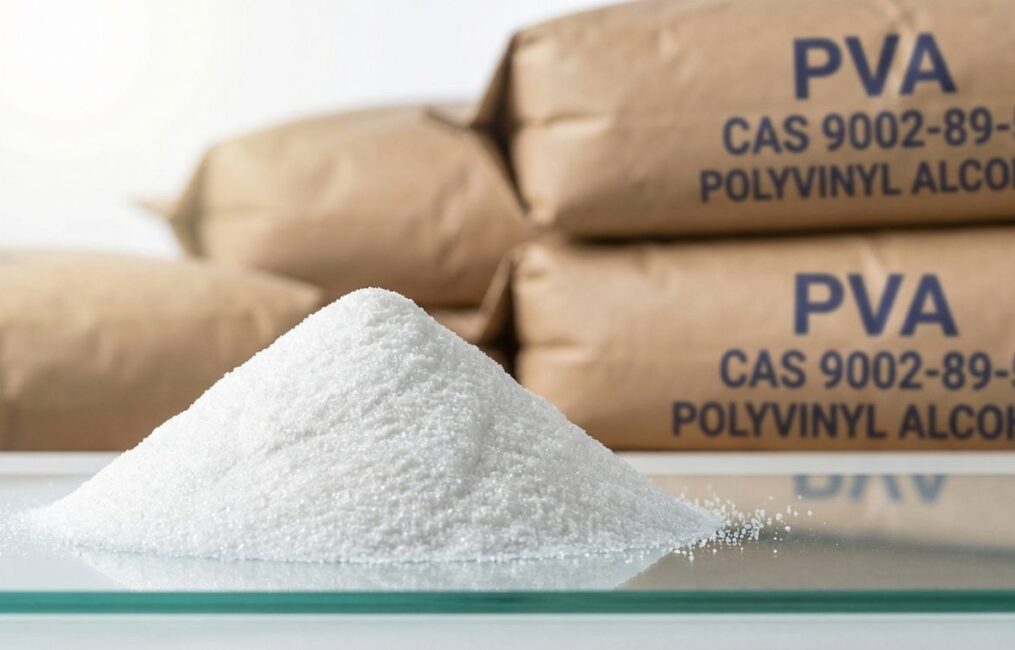
¿Es tóxico el alcohol polivinílico? Entendiendo la biocompatibilidad. El alcohol polivinílico (PVA), ampliamente conocido por su número CAS 9002-89-5, es un polímero sintético soluble en agua que se utiliza extensamente en diversas industrias, desde adhesivos para la construcción hasta envases farmacéuticos. Para los responsables de compras y los ingenieros de I+D que adquieren materias primas químicas, comprender el perfil de toxicidad del PVA es el primer paso para garantizar el cumplimiento normativo.
¿Es tóxico el alcohol polivinílico? Entendiendo la biocompatibilidad.
Alcohol polivinílico (PVA), ampliamente reconocido por su número CAS. 9002-89-5, El PVA es un polímero sintético soluble en agua que se utiliza ampliamente en diversas industrias, desde adhesivos para la construcción hasta envases farmacéuticos. Para los responsables de compras y los ingenieros de I+D que adquieren materias primas químicas, comprender el perfil de toxicidad del PVA es el primer paso para garantizar el cumplimiento normativo y la seguridad de los trabajadores.
En general, el PVA se clasifica como no tóxico y no peligroso. Es distinto de su precursor, el acetato de polivinilo, y se produce mediante hidrólisis. El grado de hidrólisis (parcialmente hidrolizado frente a totalmente hidrolizado) influye en sus propiedades físicas, pero generalmente no altera su clasificación de baja toxicidad. En aplicaciones industriales estándar, como aglutinante en adhesivos para baldosas a base de cemento o formador de película en recubrimientos,PVA Supone un riesgo mínimo para la salud humana si se manipula correctamente.
Estado de seguridad humana y aprobación de la FDA
El perfil de seguridad del alcohol polivinílico está bien documentado. En términos de toxicidad aguda, la LD50 oral (dosis letal para 50% de la población de prueba) en ratas suele ser mayor que 5000 mg/kg, lo que lo clasifica como prácticamente no tóxico. No se considera un carcinógeno, mutágeno ni toxina reproductiva según las clasificaciones estándar del SGA (Sistema Globalmente Armonizado).
Debido a su naturaleza inerte, el PVA está aprobado por los principales organismos reguladores, incluida la Administración de Alimentos y Medicamentos de los Estados Unidos (FDA) y la Agencia Europea de Medicamentos (EMA), para aplicaciones específicas. Con frecuencia se incluye en la lista de 21 CFR 175.105 (Adhesivos) y 21 CFR 177.1670 (Película de alcohol polivinílico) para uso en superficies en contacto con alimentos. Esta autorización reglamentaria garantiza a los fabricantes que los grados de PVA de alta pureza procedentes de proveedores fiables como rawchemicalmart.com son seguros para productos de consumo.
Biocompatibilidad en aplicaciones médicas
Más allá de sus usos industriales, el PVA presenta una excelente biocompatibilidad, lo que significa que no provoca respuestas inmunitarias significativas ni toxicidad en los tejidos vivos. Esta propiedad lo convierte en un elemento fundamental en los sectores médico y farmacéutico. Se utiliza ampliamente en:
- Hidrogeles: Para apósitos para heridas que requieren retención de humedad.
- Recubrimientos de tabletas: Para proteger los principios activos farmacéuticos (API).
- Lentes de contacto: Debido a su alto contenido de agua y claridad óptica.
Si bien los grados industriales utilizados en la construcción (por ejemplo, como espesante o aditivo en morteros de mezcla seca) no están destinados a uso médico sin una purificación adicional, la estructura química inherente sigue siendo biocompatible.
Interpretación de la Hoja de Datos de Seguridad (SDS/MSDS) del PVA
Para los responsables de logística y seguridad, la Ficha de Datos de Seguridad (FDS) es el documento fundamental para el manejo de envíos de productos químicos. Al revisar una FDS de alcohol polivinílico, es crucial centrarse en las secciones de Identificación de Peligros y Propiedades Físicas para gestionar eficazmente los riesgos de almacenamiento y transporte.
Identificación y clasificación de riesgos
Según el GHS y la norma de comunicación de riesgos de OSHA (29 CFR 1910.1200), el alcohol polivinílico se clasifica normalmente como No peligroso. Sin embargo, la forma física del producto impone ciertas consideraciones de seguridad:
- Polvo combustible: Al igual que muchos polvos orgánicos (incluidos el RDP y los éteres de almidón), el polvo fino de PVA puede formar mezclas explosivas con el aire si se encuentra suspendido en altas concentraciones cerca de una fuente de ignición.
- Peligro de resbalón: Cuando se derrama y se mezcla con agua, el PVA se vuelve extremadamente resbaladizo, lo que supone un riesgo significativo de caídas en entornos de almacén.
Propiedades físicas y químicas
Comprender las especificaciones técnicas es fundamental tanto para la seguridad como para el rendimiento de la aplicación. A continuación se muestran los parámetros típicos que se encuentran en un Certificado de Análisis (COA) o una Hoja de Datos de Seguridad (SDS) estándar para PVA de grado industrial:
| Propiedad | Valor típico / Descripción | Pertinencia |
|---|---|---|
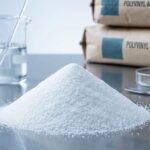
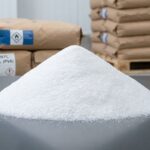
| Apariencia | Polvo o gránulos de color blanco a crema. | Inspección visual para comprobar la pureza. |
| pH (solución 4%) | 5.0 – 7.0 | Compatibilidad con otros ingredientes de la mezcla. |
| Punto de fusión | 180°C – 230°C (Depende de la hidrólisis) | Límites de temperatura de procesamiento. |
| Solubilidad | Soluble en agua (caliente o fría, según el grado). | Fundamental para la formulación (por ejemplo, de adhesivos). |
| Contenido volátil | < 5% | Indicación de estabilidad de almacenamiento. |
| Punto de inflamabilidad | > 93 °C (vaso abierto) | Clasificación de seguridad contra incendios. |
¿Busca PVA de grado industrial?
Como proveedor líder a nivel mundial, Raw Chemical Mart ofrece una cartera integral de alcohol polivinílico (PVA) adaptada a la fabricación a gran escala, desde textiles hasta adhesivos avanzados.
Precauciones para la manipulación y el almacenamiento seguros
Si bien el PVA es químicamente estable, su naturaleza higroscópica (capacidad de absorber humedad) exige un estricto cumplimiento de los protocolos de almacenamiento para mantener la calidad del producto y evitar que se apelmace o se bloquee dentro del envase.
Equipo de protección personal (EPP) recomendado
Aunque el PVA no irrita la piel, su manipulación industrial genera polvo. Las recomendaciones estándar sobre EPI incluyen:
- Protección respiratoria: Si la ventilación es deficiente, utilice una mascarilla antipolvo N95 o un respirador aprobado por NIOSH para evitar la inhalación de partículas finas.
- Protección ocular: Gafas de seguridad con protectores laterales para evitar la irritación mecánica causada por el polvo.
- Protección de las manos: Se recomienda el uso de guantes industriales estándar (de caucho o nitrilo) para mantener la higiene, aunque la absorción cutánea es mínima.
Consejo sobre compras y seguridad: “Asegúrese siempre de que haya estaciones de lavado ocular accesibles en las áreas donde se deposita o mezcla polvo de PVA. Si bien el producto químico tiene un pH neutro, las partículas sólidas pueden causar abrasión física en la córnea.”
Estabilidad de almacenamiento e incompatibilidades
El PVA es químicamente estable, pero reactivo bajo condiciones específicas.
- Control de la humedad: El PVA debe almacenarse en un lugar fresco, seco y bien ventilado. La alta humedad puede provocar que el polvo se aglutine, dificultando su disolución o alimentación a las tolvas automatizadas.
- Incompatibilidades: Mantener alejado de agentes oxidantes fuertes (por ejemplo, peróxidos, nitratos) y ácidos fuertes. La reacción con estas sustancias puede degradar la cadena polimérica o generar calor.
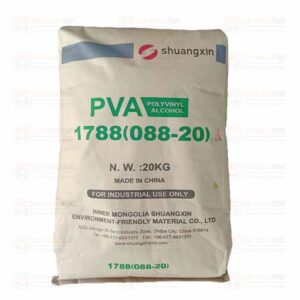
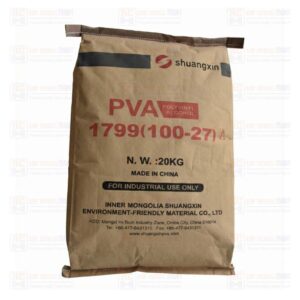
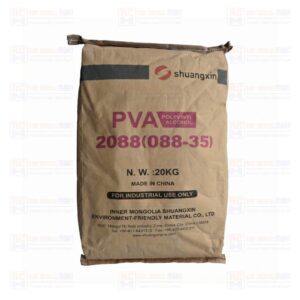
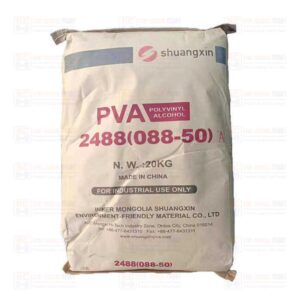
- Embalaje: En rawchemicalmart.com, Suministramos PVA en sacos de papel multicapa con revestimiento interior de PE (normalmente de 20 kg o 25 kg) para proporcionar una sólida barrera contra la humedad durante el transporte internacional.
Impacto ambiental y biodegradación
En la cadena de suministro sostenible actual, la huella ambiental de las materias primas es un criterio clave de adquisición. El alcohol polivinílico es único entre los polímeros sintéticos por su biodegradabilidad.
Cómo se degrada el PVA en los sistemas de aguas residuales
A diferencia de muchos plásticos petroquímicos que persisten durante siglos, el PVA es soluble en agua y biodegradable en las condiciones adecuadas. En las plantas de tratamiento de aguas residuales, microorganismos específicos (como Pseudomonas Las tensiones pueden descomponer la cadena polimérica del PVA. El proceso implica:
- Oxidación: La cadena principal del polímero es oxidada por enzimas.
- Escisión: La cadena se rompe en ácidos carboxílicos más pequeños.
- Mineralización: La degradación final produce agua y dióxido de carbono.
Sin embargo, los responsables de las instalaciones deben tener en cuenta que las altas concentraciones de PVA pueden aumentar temporalmente la demanda química de oxígeno (DQO) y la demanda biológica de oxígeno (DBO) en las aguas residuales. Se deben controlar los caudales de descarga para garantizar que se mantengan dentro de los límites establecidos por los permisos ambientales locales.
Impacto ecológico en la vida acuática
Los estudios ecotoxicológicos indican que el PVA tiene baja toxicidad para los organismos acuáticos. La CL50 (Concentración Letal) para las especies de peces suele superar 10.000 mg/L, Esto sugiere que los derrames accidentales en los cursos de agua, si bien son indeseables, es poco probable que causen una mortalidad masiva inmediata en los ecosistemas acuáticos en comparación con otros disolventes industriales o biocidas.
Directrices para la eliminación de PVA y la gestión de residuos
La correcta eliminación de los residuos químicos es un imperativo legal y ético para los fabricantes industriales. Dado que el PVA no está clasificado como residuo peligroso según la Ley de Conservación y Recuperación de Recursos (RCRA) de EE. UU. ni las directivas de residuos de la UE, las opciones de eliminación son relativamente flexibles.
Cumplimiento normativo para la eliminación de residuos industriales
Al desechar residuos de PVA (por ejemplo, lotes que no cumplen con las especificaciones, limpiezas de derrames o envases vacíos):
- Incineración: Este es el método preferido para los residuos sólidos de PVA. Dado que el polímero está compuesto de carbono, hidrógeno y oxígeno, la combustión completa produce únicamente dióxido de carbono y vapor de agua, sin generar subproductos clorados tóxicos (a diferencia del PVC).
- Vertedero: El PVA puede desecharse en vertederos sanitarios de acuerdo con la normativa local. Su lenta biodegradación en condiciones anaeróbicas de vertedero implica que no genera rápidamente gas metano.
- Descarga de aguas residuales: Las soluciones acuosas que contienen PVA a menudo pueden descargarse en plantas de tratamiento biológico, siempre que la instalación tenga la capacidad de gestionar la carga de DBO asociada. Consulte siempre la normativa local de la autoridad del agua antes de realizar cualquier vertido.
Nota sobre la cadena de suministro: “Para envíos internacionales, rawchemicalmart.com garantiza que todos los productos de alcohol polivinílico vayan acompañados de fichas de datos de seguridad (FDS) actualizadas que cumplan con la normativa del país de destino, lo que garantiza un despacho de aduanas sin problemas y una manipulación segura a su llegada.”