El escudo invisible: por qué el tratamiento superficial con TiO2 lo determina todo.
 José•
José•
Sin tratamiento superficial, el dióxido de titanio es prácticamente inutilizable en aplicaciones industriales. El TiO2 puro es un material altamente reactivo a la luz ultravioleta y difícil de mezclar. La diferencia entre un pigmento genérico y uno de alto rendimiento de fabricantes líderes reside en el recubrimiento: la capa protectora microscópica que determina la resistencia a la intemperie, la dispersión y la absorción de aceite. Esta guía explica la diferencia entre los tratamientos inorgánicos y orgánicos, y cómo interpretar la ficha técnica de un producto químico para encontrar el grado ideal para su aplicación específica.
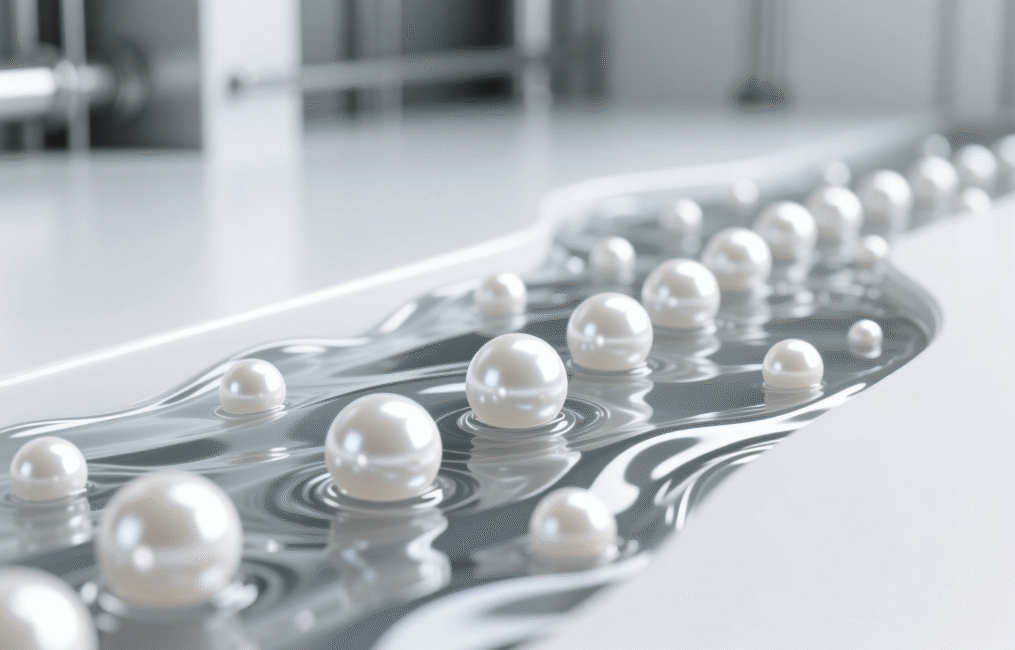
Si observas la ficha técnica del dióxido de titanio, no solo verás un polvo blanco; verás una proeza de la ingeniería química. He aquí una verdad fundamental de la industria: Sin tratamiento superficial (recubrimiento), el TiO2 resulta prácticamente inutilizable para la mayoría de las aplicaciones industriales.
Si bien el proceso de fabricación (cloruro frente a sulfato) determina la pureza del cristal, Tratamiento de superficies Determina el grado, el precio y la aplicación.
Para comprender el porqué, primero debemos analizar la naturaleza de la partícula de TiO2 en sí misma.
El “alborotador hiperactivo”
Imagina una partícula de TiO2 en bruto como un "agente problemático hiperactivo".“
- Es fotocatalítico: Cuando se expone a la luz solar, el dióxido de titanio (TiO2) en bruto genera radicales libres. Si no se controlan, estos radicales atacarán y destruirán la resina circundante, provocando que la pintura se deteriore y el plástico se agriete.
- Es hidrófilo: Le encanta el agua y odia el aceite. Si intentas mezclar dióxido de titanio puro con pinturas o plásticos a base de aceite sin ningún tratamiento previo, no se dispersará; se aglomerará formando grumos inútiles.
El objetivo del tratamiento de superficie es colocar un "traje protector" sobre este elemento problemático. Este traje tiene dos capas: una capa interior inorgánica ("La Armadura") y una capa exterior orgánica ("El Lubricante").
1. Tratamiento inorgánico: La armadura
La capa primaria: determina la resistencia a la intemperie y la separación entre capas.
Este proceso consiste en precipitar óxidos metálicos sobre la superficie del pigmento. Esto crea una barrera física, una capa similar a la cerámica.
- Los materiales: Aluminio (Al₂O₃), silicio (SiO₂) y circonio (ZrO₂).
- La función:
- Bloqueo de la actividad UV: Esta capa actúa como un protector solar de alta resistencia. Bloquea los radicales libres, impidiendo que el TiO2 destruya la película de pintura. Esta es la clave para Resistencia a la intemperie.
- Espacio físico: Esto fuerza una distancia física entre las partículas, evitando que se amontonen. Un mejor espaciado equivale a una mejor dispersión de la luz, lo que significa una mayor Opacidad (Poder de ocultación).
Lo material importa:
- Aluminio (Al): El estándar para dispersión y brillo. Casi todos los grados lo tienen.
- Silicio (Si): El rey de la durabilidad. Se requieren grados de silicio alto para pinturas de exterior, aunque una capa de silicio muy gruesa puede reducir el brillo.
- Circonio (Zr): La opción equilibrada. Ofrece buena dureza y retención de brillo, características que se utilizan a menudo en tintas.
2. Tratamiento orgánico: El lubricante
La capa secundaria: determina la dispersión y la compatibilidad.
Incluso con la capa protectora, la partícula sigue siendo rugosa e hidrófila. Para que se integre perfectamente en el plástico o la pintura, necesitamos un recubrimiento orgánico.
- Los materiales: Polioles (TMP, TME), silanos, aminas y silicio orgánico.
- La función:
- Lubricación: Reduce la fricción entre las partículas, permitiendo que fluyan libremente durante la molienda o la extrusión.
- El puente: Actúa como agente de acoplamiento. Un extremo de la molécula se une al TiO2 y el otro a la resina, forzándolos a ser compatibles.
- Impermeabilización: Este proceso transforma la superficie de hidrofílica (que atrae el agua) a hidrofóbica (que atrae el aceite), lo cual es fundamental para los plásticos y los concentrados de color.
3. Cómo afecta el tratamiento a las especificaciones técnicas
Cuando los fabricantes tratan el TiO2, buscan un equilibrio entre diferentes factores. A continuación, se muestra cómo el recubrimiento afecta a las cinco métricas principales:
- Dispersión: Gran mejora. Ambas capas ayudan a descomponer los aglomerados, asegurando un acabado liso sin poros.“
- Resistencia a la intemperie: Factor decisivo. Una densa capa de sílice es lo único que protege la pintura de sus paredes exteriores de la degradación causada por los rayos UV.
- Absorción de aceite:La compensación.
- Tratamiento inorgánico aumenta el área superficial (haciendo que la partícula sea más rugosa), lo que eleva absorción de aceite.
- Tratamiento orgánico rellena esos poros y lubrica la superficie, que bajos absorción de aceite.
- Nota: Los grados específicos para plásticos (como el BLR-886) utilizan un tratamiento orgánico intensivo para mantener baja la absorción de aceite, lo que garantiza que el flujo del material fundido se mantenga fluido.
- Opacidad: Mejora. Al mantener las partículas separadas, la luz se refracta de forma más eficiente.
- Brillo: Variable. Los recubrimientos densos de Al/Zr crean un alto brillo. Los recubrimientos de sílice gruesos y densos (para una durabilidad extrema) pueden disminuir naturalmente el nivel de brillo en ciertas zonas.
Guía rápida de adquisiciones: Descifrando el TDS
Al adquirir materiales de marcas como LB Group, CNNC u otras, observe la composición del tratamiento de superficie para descubrir el verdadero propósito del grado:
- Tratamiento: Al (solo aluminio)
- Veredicto: Grado universal. Buena dispersión, alto brillo.
- Usar: Revestimientos interiores, plásticos en general.
- Tratamiento: Zr / Al (circonio + aluminio)
- Veredicto: Grado “Brillante y Resistente”.
- Usar: Recubrimientos industriales, tintas.
- Tratamiento: Alto contenido de Si / Al (Sílice densa + Aluminio)
- Veredicto: Grado “Súper Duradero”. Generalmente, tiene mayor absorción de aceite.
- Usar: Pintura para fabricantes de equipos originales (OEM) de automóviles, pintura arquitectónica exterior de alta gama.
- Tratamiento: Compuestos orgánicos hidrofóbicos especiales
- Veredicto: Grado de “baja viscosidad”.
- Usar: Masterbatches y plásticos de película delgada.
Conclusión El tratamiento superficial es la "receta secreta" del fabricante. Por eso, los grados premium tienen un precio más elevado que los grados básicos. No solo venden dióxido de titanio, sino partículas cuidadosamente diseñadas para resistir las inclemencias del tiempo y dispersarse sin esfuerzo en el producto.
Technical Support for Industrial Chemicals
Need technical documents, pricing, or shipping information? Tell us the product grade, application, required quantity, and destination port for a prompt quotation.
Solicitar una cotización