دليل تركيب مستحلبات البولي فينيل الكحولي (PVA) الصناعية
 جو•
جو•
فهم تشتتات كحول البولي فينيل: في بيئة تنافسية لتصنيع المواد الكيميائية الصناعية، يُعدّ تركيب مستحلبات مستقرة كفاءةً أساسيةً لمنتجي المواد اللاصقة والدهانات والطلاءات. ويُشكّل كحول البولي فينيل (PVA) حجر الزاوية في هذه العملية، فهو لا يعمل كمادة مضافة فحسب، بل كمكوّن هيكلي أساسي يُحدّد خصائص التدفق والاستقرار.,
فهم تشتتات كحول البولي فينيل
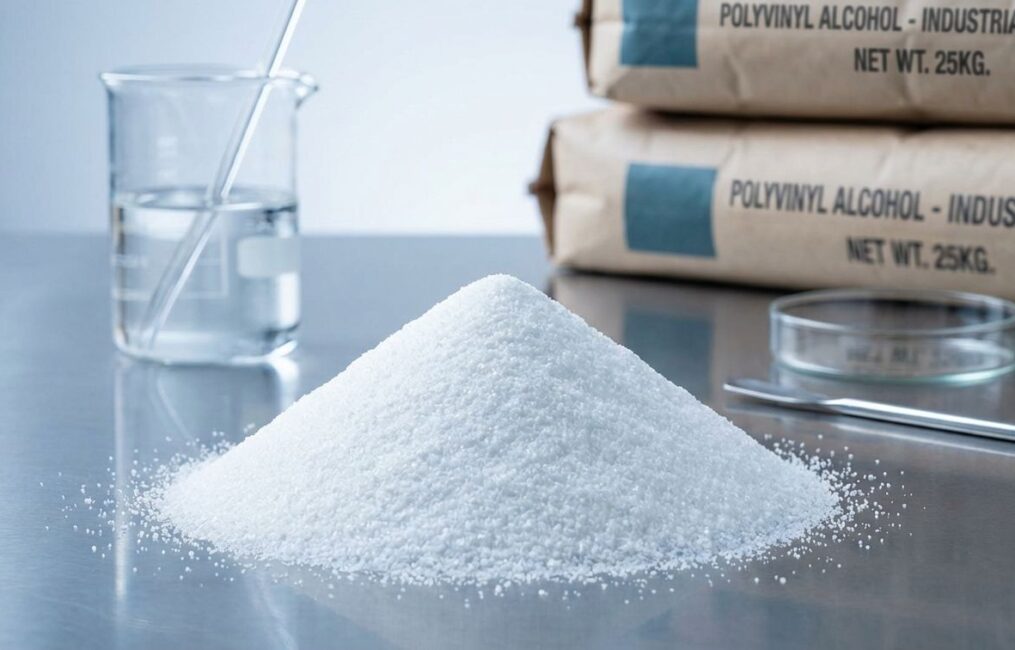
في المشهد التنافسي لتصنيع المواد الكيميائية الصناعية، يعد تركيب المستحلبات المستقرة كفاءة حاسمة لمنتجي المواد اللاصقة والدهانات والطلاءات. كحول البولي فينيل (PVA) يشكل حجر الزاوية في هذه العملية، فهو لا يعمل كمضاف فحسب، بل كمكون هيكلي أساسي يحدد خصائص التدفق والاستقرار وتكوين الأغشية للمنتج النهائي.
في rawchemicalmart.com, ندرك أن اتساق المواد الخام لا يقل أهمية عن التركيب الكيميائي نفسه بالنسبة لمهندسي البحث والتطوير ومسؤولي المشتريات. يُعدّ مُشتت PVA نظامًا غروانيًا يعمل فيه البوليمر كواجهة بين الماء والمونومر (عادةً أسيتات الفينيل). ويُشكّل فهم خصائص الذوبان وتوزيع الوزن الجزيئي لنوع PVA الخطوة الأولى في هندسة مستحلب عالي الأداء قادر على تحمّل متطلبات سلاسل التوريد العالمية وبيئات التطبيق المتنوعة.
دور بولي فينيل الكحول في بلمرة المستحلب
تُعدّ بلمرة المستحلب عملية ديناميكية حرارية معقدة، حيث يلعب بولي فينيل الكحول (PVA) دورًا مزدوجًا. فبينما تعمل المواد الخافضة للتوتر السطحي على خفض التوتر السطحي، يوفر بولي فينيل الكحول المتانة الميكانيكية اللازمة لبقاء جزيئات البوليمر متفرقة مع مرور الوقت.
يعمل كغرواني واقٍ ومثبت
يُعرف البولي فينيل الكحول (PVA) على نطاق واسع بأنه الغرواني الواقي الأمثل لبلمرة مونومر أسيتات الفينيل (VAM). على عكس المواد الخافضة للتوتر السطحي البسيطة التي يمكن أن تنفصل بسهولة عن سطح الجسيمات، تمتص سلاسل PVA بشكل دائم على جسيمات البوليمر، مما يُشكل غلافًا مائيًا حول جسيمات اللاتكس.
أثناء عملية البلمرة، يحدث "تطعيم" أسيتات الفينيل على سلسلة بولي فينيل الكحول (PVA). تُعدّ كفاءة هذا التطعيم بالغة الأهمية؛ فهي تُحدّد استقرار اللزوجة والقوة الميكانيكية للغشاء المُجفّف. بولي فينيل الكحول عالي الجودة من rawchemicalmart.com يضمن درجة ثابتة من البلمرة، مما يسمح للمصممين بالتنبؤ بدقة بكثافة التطعيم وتجنب الاختلافات من دفعة إلى أخرى.
آليات التثبيت الفراغي
يتحقق استقرار المستحلبات عمومًا من خلال التنافر الكهروستاتيكي أو الفراغي. ويعمل بولي فينيل الكحول (PVA) بشكل أساسي من خلال الاستقرار الفراغي. تمتد سلاسل البوليمر الطويلة لـ PVA إلى الطور المائي، مما يخلق حاجزًا ماديًا يمنع جزيئات اللاتكس من الاندماج.
نصيحة بشأن الشراء والتداول: على عكس الأنظمة المُثبَّتة كهربائيًا، فإن التثبيت الفراغي الذي يوفره بولي فينيل الكحول (PVA) أقل حساسية لوجود الإلكتروليتات أو تغيرات الرقم الهيدروجيني. وهذا يجعل المستحلبات المُثبَّتة ببولي فينيل الكحول خيارًا قويًا للتركيبات التي تتضمن إضافات أيونية أو أصباغًا مثل أكسيد الحديد أو ثاني أكسيد التيتانيوم.
تعتمد فعالية هذا الحاجز الفراغي بشكل كبير على درجة تحلل البولي فينيل الكحولي (PVA). تعمل مجموعات الأسيتات المتبقية في البولي فينيل الكحولي المتحلل جزئيًا كـ "مثبتات" في جزيء البوليمر الكاره للماء، بينما تمتد مجموعات الهيدروكسيل في الماء، مما يحافظ على التشتت.
هل تبحث عن مصادر لمادة PVA الصناعية؟
بصفتها موردًا عالميًا رائدًا، توفر شركة Raw Chemical Mart مجموعة شاملة من كحول البولي فينيل (PVA) المصممة خصيصًا للتصنيع بكميات كبيرة، بدءًا من المنسوجات وحتى المواد اللاصقة المتقدمة.
طريقة تحضير مستحلب PVA خطوة بخطوة
تتطلب التركيبة الناجحة تحكماً دقيقاً في اختيار المواد الخام وظروف المعالجة. فيما يلي دليل فني لتحسين هذه المعايير.
اختيار درجة PVA المناسبة (التحلل المائي واللزوجة)
يُعد اختيار درجة PVA المتغير الأكثر أهمية. أما المعياران الأساسيان فهما درجة التحلل المائي (DH) واللزوجة (الوزن الجزيئي).
| فئة درجة PVA | درجة التحلل المائي (DH) | نطاق اللزوجة (مللي باسكال.ثانية) | التأثير على تركيبة المستحلب |
|---|---|---|---|
| مُحلل جزئياً | 87.0% – 89.0% | منخفض إلى متوسط (على سبيل المثال، 5-25) | الأفضل للاستحلاب. تعمل مجموعات الأسيتات الكارهة للماء على خفض التوتر السطحي بفعالية، حيث تعمل كعامل مساعد للتوتر السطحي. كما توفر ثباتًا ممتازًا عند التجميد والذوبان. |
| مُحلل بالكامل | 98.0% – 99.0% | متوسط إلى مرتفع (على سبيل المثال، 20-60) | مقاومة عالية للماء. يُستخدم عندما تتطلب الطبقة النهائية مقاومة فائقة للماء. أقل فعالية كمثبت أساسي؛ وغالبًا ما يُخلط مع أنواع مُحللة جزئيًا. |
| الدرجات المعدلة | مخصص | عامل | متخصص في الركائز الفريدة أو متطلبات اللزوجة القصوى. |
بروتوكولات درجة الحرارة والخلط
يُعدّ الذوبان الكامل شرطاً أساسياً لنجاح التركيبة. فالذوبان غير الكامل يؤدي إلى ظهور "عيون السمك" (جزيئات هلامية غير ذائبة) تُفسد ملمس الدهانات وتُضعف الروابط اللاصقة.
- تشتت: انخل مسحوق البولي فينيل الكحول ببطء في الماء البارد (20-30 درجة مئوية) مع التحريك. الإضافة السريعة تسبب التكتل.
- التدفئة: بمجرد تشتيتها، ارفع درجة الحرارة.
- ل مُحلل جزئياً الدرجات: التسخين إلى 85 درجة مئوية - 90 درجة مئوية.
- ل مُحلل بالكامل الدرجات: التسخين إلى 90 درجة مئوية - 95 درجة مئوية.
- مدة الإقامة: حافظ على درجة الحرارة لمدة 30-60 دقيقة مع التحريك المستمر لضمان الاسترخاء الجزيئي الكامل والذوبان.
- تبريد: قم بالتبريد ببطء لمنع الصدمة الحرارية قبل إضافة المونومرات أو المواد المضافة الأخرى.
تطبيقات مادة PVA في الدهانات والطلاءات
إلى جانب المواد اللاصقة، تُعد مستحلبات PVA جزءًا لا يتجزأ من صناعة الطلاء المعماري. rawchemicalmart.com, نحن نوفر المواد الخام التي تدعم إنتاج الدهانات منخفضة المركبات العضوية المتطايرة وعالية الأداء.
مادة PVA كمادة رابطة للطلاءات المعمارية
تُستخدم مستحلبات بولي فينيل الكحول (غالبًا أسيتات بولي فينيل الكحول) كمادة رابطة أساسية في دهانات اللاتكس الداخلية. وهي توفر التصاقًا ممتازًا بالأسطح المسامية مثل الجدران الجصية والخشب والجص. وتكمن الميزة الرئيسية لاستخدام بولي فينيل الكحول عالي الجودة في التوازن بين مقاومة الاحتكاك و الكفاءة في التكلفة.
علاوة على ذلك، يُساهم بولي فينيل الكحول (PVA) في تحسين انسيابية الطلاء، مما يُضفي عليه قوامًا متماسكًا ويُقلل من التقطير أو التناثر أثناء التطبيق. أما بالنسبة للتطبيقات الخارجية، فيتم غالبًا بلمرة بولي فينيل الكحول مع مونومرات أكثر ليونة (مثل الإيثيلين في بولي إيثيلين أسيتات) لتحسين مرونته ومقاومته للعوامل الجوية.
تحسين تشتت الصبغة باستخدام بولي فينيل الكحول
في تركيبات الدهانات، تُستخدم أصباغ مثل ثاني أكسيد التيتانيوم (الروتيل أو الأناتاز) يجب توزيعها بشكل مثالي لتحقيق أقصى قدر من التعتيم والبياض. يساعد غراء PVA في هذه العملية.
تلتصق سلاسل البوليمر بأسطح الصبغة، مانعةً بذلك إعادة التكتل. هذه الميزة ضرورية عند استخدام أصباغ ثاني أكسيد التيتانيوم أو أكسيد الحديد عالية الجودة في تركيباتنا. يضمن نظام PVA المُستقر جيدًا اكتمال قوة اللون وحفاظ الطلاء على لون موحد طوال فترة صلاحيته.
استكشاف أخطاء الاستقرار واللزوجة وإصلاحها
حتى مع استخدام التركيبات المثلى، قد تظهر بعض المشكلات أثناء التوسع في الإنتاج. فيما يلي التحديات الشائعة والحلول التقنية:
- انفصال الطور (التخثر): غالباً ما يكون السبب هو عدم كفاية استقرار التحلل المائي أو الهجوم البكتيري. حل: تأكد من أن درجة PVA تحتوي على مستوى التحلل المائي الصحيح (عادةً ما يكون 87-89% هو الأكثر استقرارًا) وقم بإضافة مبيد حيوي في وقت مبكر من العملية.
- انحراف اللزوجة: إذا زادت اللزوجة بشكل لا يمكن السيطرة عليه بمرور الوقت، فقد يشير ذلك إلى استمرار عملية التطعيم أو عدم الاستقرار. حل: تحقق من درجة الحموضة. يكون البولي فينيل الكحول (PVA) أكثر استقرارًا في نطاق حمضي قليلاً إلى متعادل (درجة حموضة 5-7). يمكن للقلويات القوية أن تحلل مجموعات الأسيتات المتبقية، مما يغير خصائص البوليمر في مكانه.
- رغوة: مادة PVA نشطة سطحياً وعرضة للرغوة. حل: استخدم مزيل رغوة متوافق خلال مرحلتي الذوبان والبلمرة. يجب ضبط سرعة التحريك الميكانيكي لتقليل دخول الهواء.
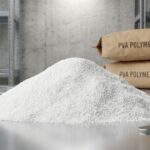
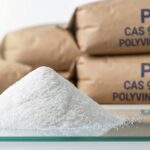
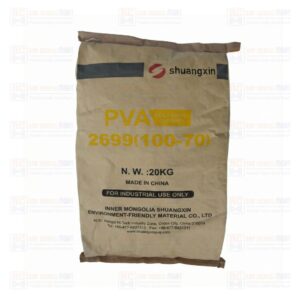
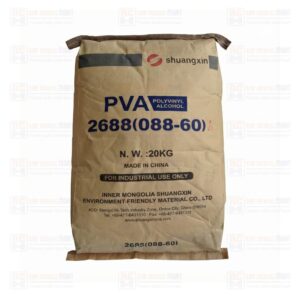
ملاحظة تتعلق بالسلامة واللوجستيات: على الرغم من أن مادة البولي فينيل الكحول (PVA) غير سامة وقابلة للتحلل الحيوي، إلا أن التخزين السليم ضروري للغاية، لأنها مادة ماصة للرطوبة. rawchemicalmart.com يضمن تغليف جميع شحنات PVA في أكياس ورقية متعددة الطبقات مقاومة للرطوبة مع بطانات داخلية من البولي إيثيلين للحفاظ على السيولة وسلامة المواصفات عند الوصول.
الاستنتاج والصياغة - أهم النقاط الرئيسية
يتطلب تصنيع المنتجات باستخدام كحول البولي فينيل فهمًا عميقًا لكيمياء البوليمرات والتزامًا دقيقًا بمعايير التصنيع. سواء كنت تُطوّر لاصقًا خشبيًا عالي الالتصاق أو طلاءً داخليًا فاخرًا، فإن اختيار نوع كحول البولي فينيل يُحدد استقرار وأداء المنتج النهائي.
تشمل النقاط الرئيسية التي يجب على مشتري الشركات والمهندسين استخلاصها ما يلي:
- الاختيار عن طريق التحلل المائي: استخدم درجات التحلل المائي الجزئي (حوالي 88%) لتحقيق استقرار مثالي للمستحلب.
- التحكم في الحرارة: التزم بدقة بدرجات حرارة الذوبان لتجنب التجلط أو الذوبان غير الكامل.
- الاستفادة من التثبيت الفراغي: استخدم التركيبة الطبيعية لـ PVA لإنشاء تركيبات قوية ومقاومة للإلكتروليتات.
في rawchemicalmart.com, نحن أكثر من مجرد مورد؛ نحن شريكك في سلسلة التوريد العالمية. من أجود أنواع PVA وRDP إلى الأصباغ الأساسية ومواد معالجة المياه، نوفر لك الجودة المتسقة والموثوقية التقنية اللازمة لضمان استمرار خطوط إنتاجك بسلاسة.
Technical Support for Industrial Chemicals
Need technical documents, pricing, or shipping information? Tell us the product grade, application, required quantity, and destination port for a prompt quotation.
طلب عرض أسعار